
Skull Rings NZ: Who Wears Them and What They Mean

Skull rings have carried weight on the hand for centuries. In New Zealand they sit alongside greenstone, signet rings and tungsten bands as one of the more talked-about choices in men’s jewellery, partly because the symbolism is loud and partly because the design language is so flexible. This guide covers where the motif comes from, who wears it in Aotearoa, what to look for in materials suited to the local climate, and how to pair a skull ring with the rest of your wardrobe without it feeling like a costume.
Where the Skull Motif Comes From
The skull as jewellery is not a modern invention. Roman rings carried skull engravings as a memento mori — a reminder that life is short and worth using well. Mexican Day of the Dead traditions reframe the skull as celebration rather than warning. Across European folk traditions, skulls turn up on signet rings, mourning jewellery and military insignia. By the time the motif reached mid-century motorcycle clubs and rock musicians, the meaning had already shifted dozens of times.
That long history is part of why the skull works as a personal symbol. Wearers can lean into any of the threads — mortality, defiance, brotherhood, remembrance, or simply a love of the shape — without the ring locking them into one reading. A Kiwi tradie wearing a heavy silver skull on weekends is drawing on the same vocabulary as a Wellington musician wearing a slim band on stage.
Who Wears Skull Rings in New Zealand
Riders and Club Members
Motorcycle culture is alive across the country, from the long runs through Central Otago to the weekend coffee meets in Auckland and Christchurch. Skull rings sit naturally in this scene as markers of loyalty, road experience and a refusal to take life too cautiously. Many riders favour solid sterling silver or stainless steel because both shrug off rain, salt air on coastal rides, and the knocks that come with handling bikes.
Musicians and Creatives
Rock, metal and hip-hop circles have used the skull as visual shorthand for decades, and the local scene is no different. Wellington and Auckland venues are full of performers stacking rings as part of stage presence. Outside music, designers, tattooists and visual artists often gravitate to skull pieces because they read as a creative signal without needing explanation.
Everyday Wearers
The biggest group is also the quietest: people who simply like the look. A skull ring on the index or middle finger reads differently to a wedding band on the fourth, and many Kiwi men use one as a single statement piece against an otherwise plain rotation. Office workers tend to choose smaller, lower-profile skulls that pass under the radar in meetings but still feel like theirs.
Symbol Seekers
Some wearers choose a skull ring as a personal reminder — of a person they have lost, a year they survived, a habit they have left behind. For this group the engraving on the inside of the band often matters more than the carving on the outside.
Materials That Work in the New Zealand Climate
New Zealand throws a lot at jewellery. Coastal salt from both coasts, high UV in summer, and damp winters in the South Island all play a role in how a ring ages. Material choice is worth thinking about before design.
Sterling Silver
The traditional skull-ring material. Silver carves beautifully and develops a darker patina in the recesses, which actually flatters skull detailing. It does tarnish faster near the coast, so wearers in Tauranga, Napier or Dunedin should expect occasional polishing with a soft cloth.
Stainless Steel
A practical choice for daily wear and rough work. Steel resists scratches better than silver and handles sweat, rain and salt without complaint. Detail can be slightly less crisp than in silver, but for a hard-wearing piece it is hard to beat.
Tungsten
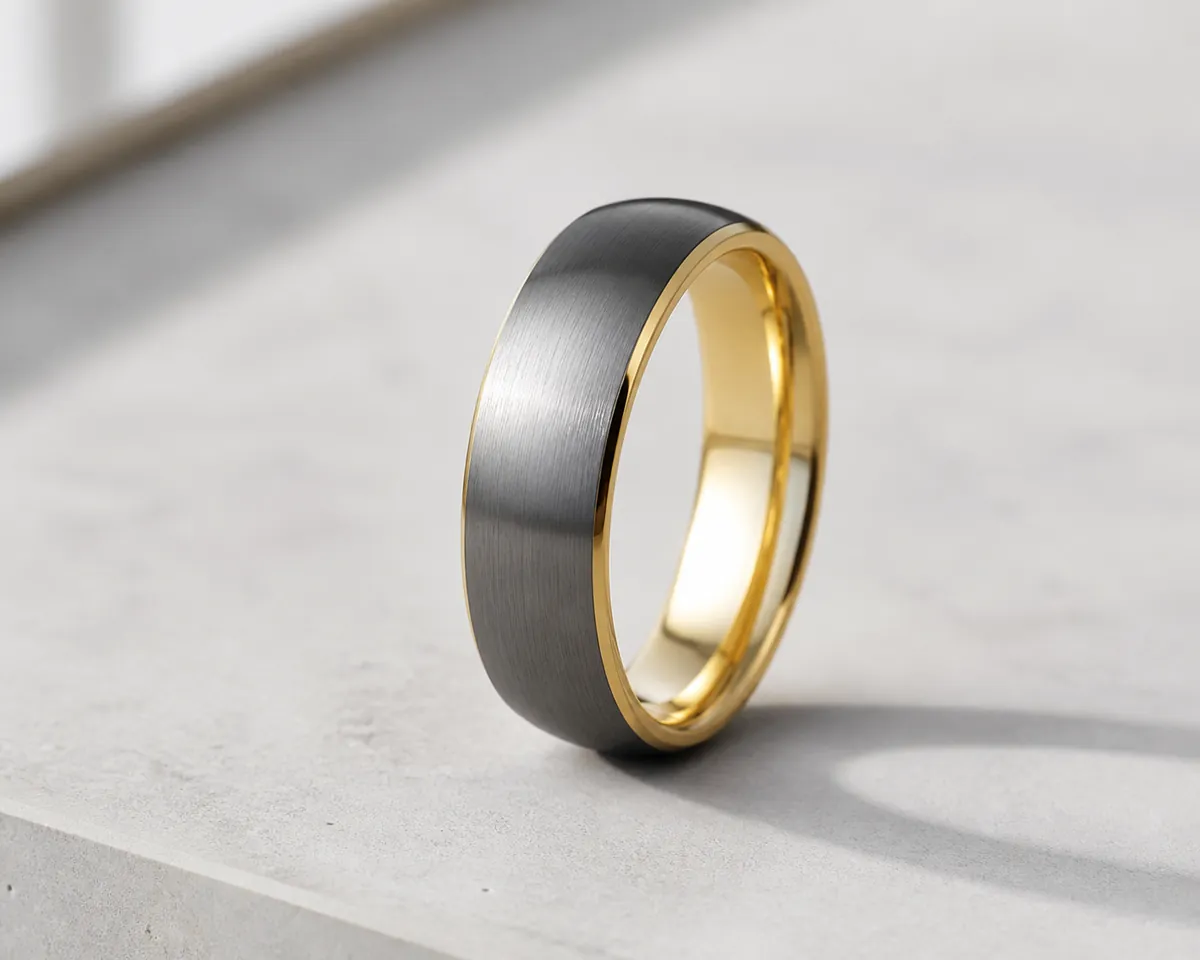
Heavy, dense and effectively scratch-proof. Tungsten rings with engraved or inlaid skull motifs suit men who want the look without the upkeep. The trade-off is that tungsten cannot be resized, so getting the fit right at the start matters.
Titanium
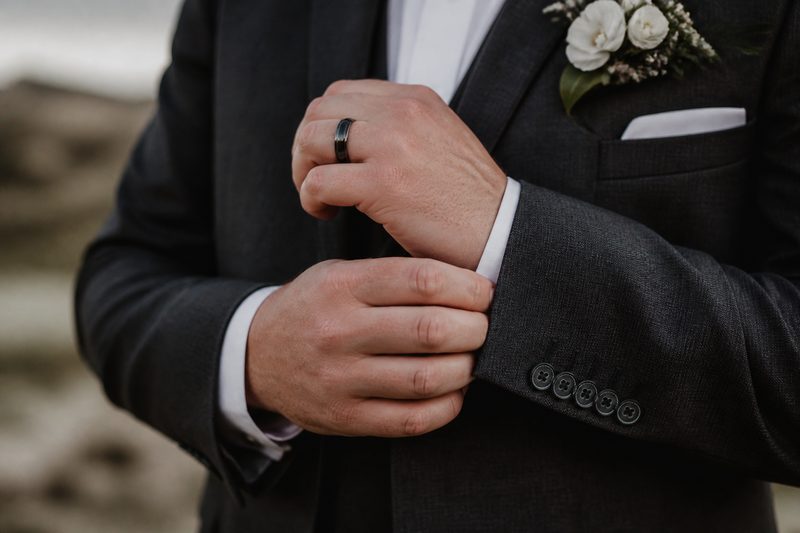
Light, hypoallergenic and tough. Titanium rings work well for anyone who finds heavier metals uncomfortable or who reacts to nickel in cheaper alloys. Black-finished titanium pairs particularly well with skull detailing.
Gold and Platinum
For wearers who want the motif at the high end, gold and platinum skull rings exist and hold their shape and detail indefinitely. Yellow gold suits warmer skin tones; white gold and platinum read closer to silver but without the tarnish.
Design Choices Worth Thinking About
Size of the Skull
A small skull set into a band of around 6mm reads as a detail. A full-face skull spanning 18mm or more reads as the entire ring. Neither is better, but they sit very differently on the hand. Men with smaller hands often find oversized designs overwhelm the proportions, while taller framed wearers can carry the bigger pieces comfortably.
Eyes and Inlays
Empty sockets feel traditional and slightly menacing. Set stones — often red garnet, black onyx, or clear cubic zirconia — push the ring into ornament territory. Some designs use coloured enamel for a more playful read.
Side Detailing
The shank is where designers add character: crossed bones, Gothic script, snakes, roses, or tribal patterns. Heavier side detailing can catch on gloves and clothing, so riders and tradies often choose cleaner shanks.
Getting the Fit Right
New Zealand uses the A-Z ring sizing scale, which is the same system used in Australia and the UK. Most Kiwi men sit somewhere between T and Z+2. If you have never been sized properly, the most accurate way is to visit a local jeweller, but a printable guide can get you close. We keep one at the NZ ring size guide, including instructions for measuring a ring you already own.
A few practical notes for fit:
- Measure your finger at the end of the day. Fingers swell slightly with heat and activity.
- Heavier rings feel tighter than light ones at the same size. If you are choosing a wide tungsten or silver skull, consider sizing up by half a size.
- South Island winters genuinely shrink finger size for some people. If your hands run cold and dry, factor that in.
Styling a Skull Ring
Everyday and Casual
A single skull ring on the middle or index finger pairs cleanly with a t-shirt, jeans and boots. Black, oxidised silver or matte stainless steel suit this look. Keep the rest of the jewellery minimal — a watch and maybe a simple chain is plenty.
Smart Casual and Work
Office-friendly skull rings exist. Look for low-profile designs where the skull sits flush with the band, or signet-style rings where the skull is engraved into the face rather than sculpted in three dimensions. These read as character without crossing into costume.
Stacking and Mixing
Layering a skull with a plain band, a pinky ring or a chunkier statement ring is one of the strongest looks. Mixing metals — say, silver skull with a gold band — used to be off-limits and now reads as deliberate. Keep the proportions varied so the rings do not compete.
Pairing with a Wedding Band
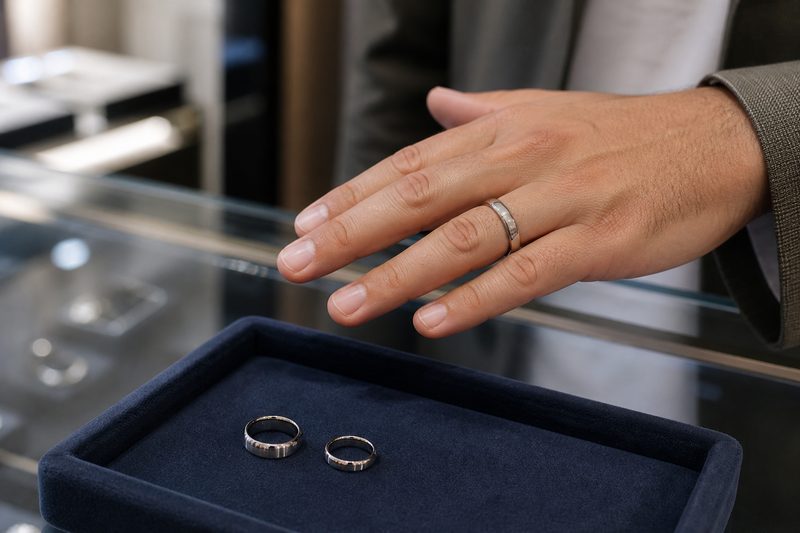
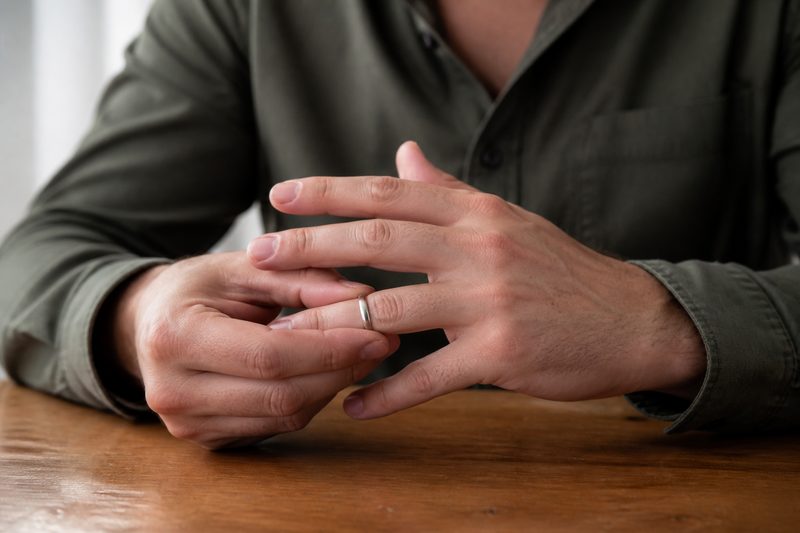
Married men can absolutely wear skull rings. The cleanest approach is to keep the wedding band on the fourth finger of the left hand and the skull on the right, or on the middle finger of either hand. If you want both on the same hand, a slim wedding band next to a sculpted skull avoids the two pieces fighting each other.
Buying in New Zealand
There are three realistic routes for a Kiwi buyer:
Specialist Online Retailers
Buying from a specialist gives you the widest range, GST-inclusive pricing displayed up front, and free delivery to most of the country. Mens Rings Online ships nationwide including rural addresses, with rural delivery taking an extra day or two depending on courier routes. Returns and resizing are easier with a dedicated men’s ring retailer than with a general jeweller.
Local Jewellers
Boutique jewellers in Auckland, Wellington, Christchurch and the larger regional towns sometimes carry skull rings, particularly silversmiths who lean into bolder pieces. Prices can run higher, but you get to handle the piece before buying.
Online Marketplaces and Imports
Etsy and overseas marketplaces offer one-off and handmade pieces. Two things to watch: import GST and duty are now collected at checkout for most overseas sellers, and resizing or returns from offshore can be slow and expensive. For a piece you plan to wear daily, local is usually easier.
Care and Long-Term Wear
Skull rings reward a little maintenance. Silver pieces benefit from an occasional polish with a soft cloth, particularly if you live near the coast. Stainless steel and titanium handle warm soapy water and a soft brush. Tungsten essentially looks after itself. Gold and platinum should be checked annually for prong wear if your skull has set stones.
Take any ring off for heavy lifting, rock climbing, contact sports and serious gardening. Even tungsten, which will not scratch, can crack under direct impact. If you work with your hands, a silicone ring is worth keeping in the glove box or workshop drawer as a swap for the day.
The Short Version
A skull ring is one of the few pieces of men’s jewellery with enough history to mean almost anything you want it to. Choose the material for your climate and lifestyle, get the fit right using NZ sizing, and start with one piece rather than a stack. Worn with a bit of confidence, it does what good jewellery is supposed to do: it tells people something about you without you having to say it.
Common questions
Are skull rings legal to wear in New Zealand workplaces?
Yes, skull rings are legal to wear anywhere in New Zealand. Whether they are appropriate for a specific workplace depends on the employer's dress code, not the law. Many Kiwi men wear smaller or signet-style skull rings to office jobs without issue, while heavier sculpted pieces are more common in trades, creative and hospitality settings.
What ring size system does New Zealand use?
New Zealand uses the A-Z alphabetical sizing scale, which is identical to the Australian and UK systems. Most Kiwi men sit between sizes T and Z+2. If you are unsure of your size, a local jeweller can measure you, or you can use a printable size guide at home with a piece of string or an existing ring.
How long does delivery take across New Zealand?
Most North Island metro orders arrive within 1 to 3 working days, with South Island metro typically 2 to 4 working days. Rural delivery adds an extra 1 to 2 days depending on the courier route. Free delivery is standard on skull rings shipped within New Zealand, and prices are displayed GST-inclusive.
Will a silver skull ring tarnish in coastal NZ areas?
Sterling silver does tarnish faster in coastal areas like the Bay of Plenty, Wellington's south coast and Dunedin because of salt in the air. The good news is that tarnish actually flatters the recesses of a skull ring by darkening them. A soft polishing cloth once a month brings the high points back to a bright finish.
Can a skull ring be resized later?
Sterling silver and gold skull rings can usually be resized by a jeweller, although heavy detailing on the shank can limit how far the size can be moved. Stainless steel and titanium are difficult to resize. Tungsten cannot be resized at all, so getting the initial measurement right is critical for tungsten pieces.