

Wedding Rings for NZ Tradies — What Every Kiwi Working With Their Hands Needs to Know

TL;DR
Wedding rings for NZ tradies need to survive real work — heat, chemicals, heavy machinery, and rough surfaces. Tungsten, titanium, black ceramic, and silicone safety rings are the top picks for Kiwi blokes working with their hands. This guide breaks down which materials hold up, what to avoid, and how to choose a ring that works as hard as you do.
In This Guide
Why Tradies Need Different Wedding Rings
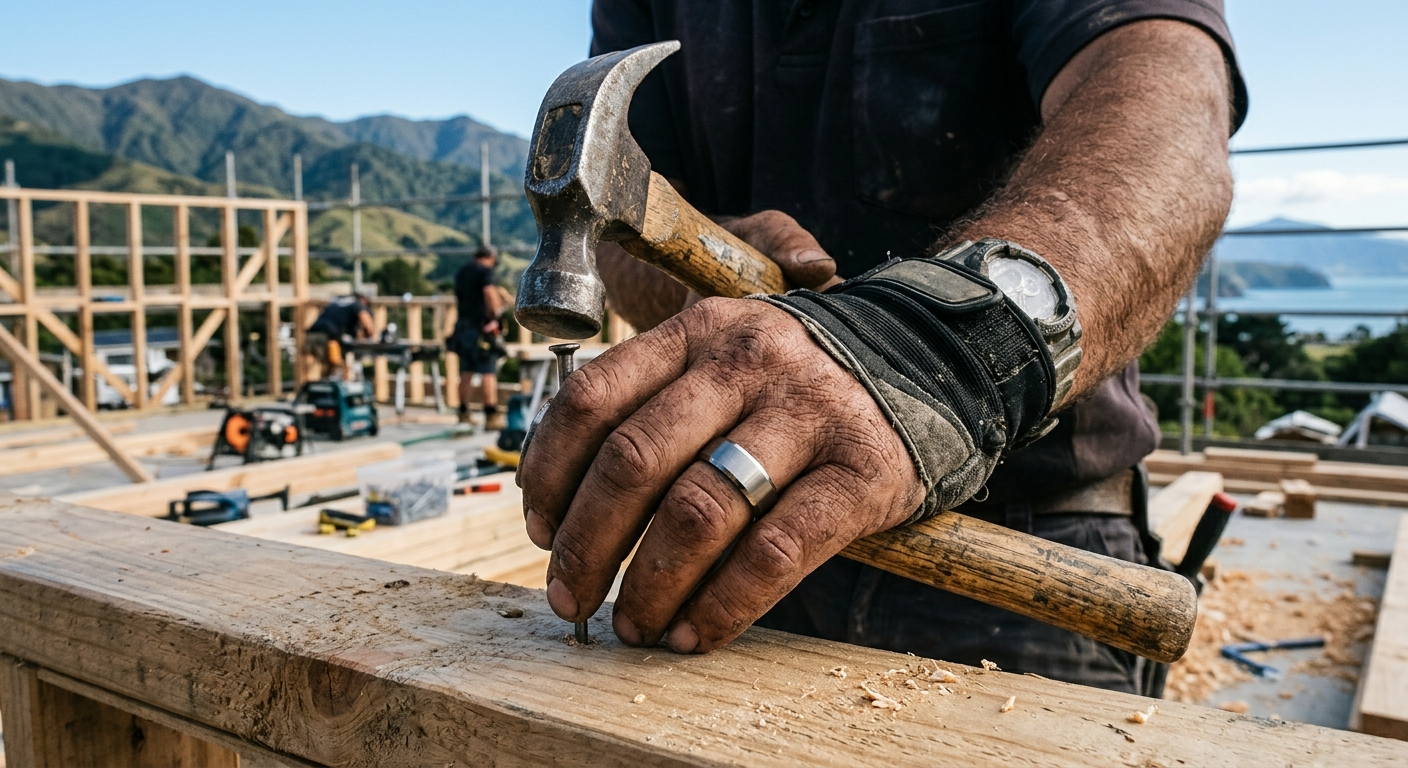
For most Kiwi blokes working in construction, electrical, plumbing, mechanics, or any trade that puts your hands through the wringer every day, a standard wedding ring is simply not built for the job. The average wedding ring in New Zealand is made from gold or silver — beautiful metals that scratch, bend, and react badly to the chemicals and machinery you work with daily.
The hard truth: a traditional gold ring on the job is a liability. According to WorkSafe New Zealand, wearing rings near rotating machinery is a documented hazard that has resulted in serious degloving injuries — a medical term for when a ring catches on equipment and strips the skin and tissue from your finger. This is not a hypothetical risk.
The good news is that the wedding ring industry has evolved. Materials like tungsten carbide, titanium, black ceramic, and silicone safety rings are purpose-built for people who work with their hands. These materials are scratch-resistant, chemical-resistant, and in the case of silicone, designed to break away in an emergency rather than cause an injury.
This guide is specifically written for Kiwi tradies — whether you’re a sparky, builder, plumber, mechanic, or work in any hands-on trade across New Zealand. We’ll cover the best materials for wedding rings tradies New Zealand can rely on, what to avoid, and how to choose a ring you can actually wear to work without risking your fingers.
Best Ring Materials for NZ Tradies
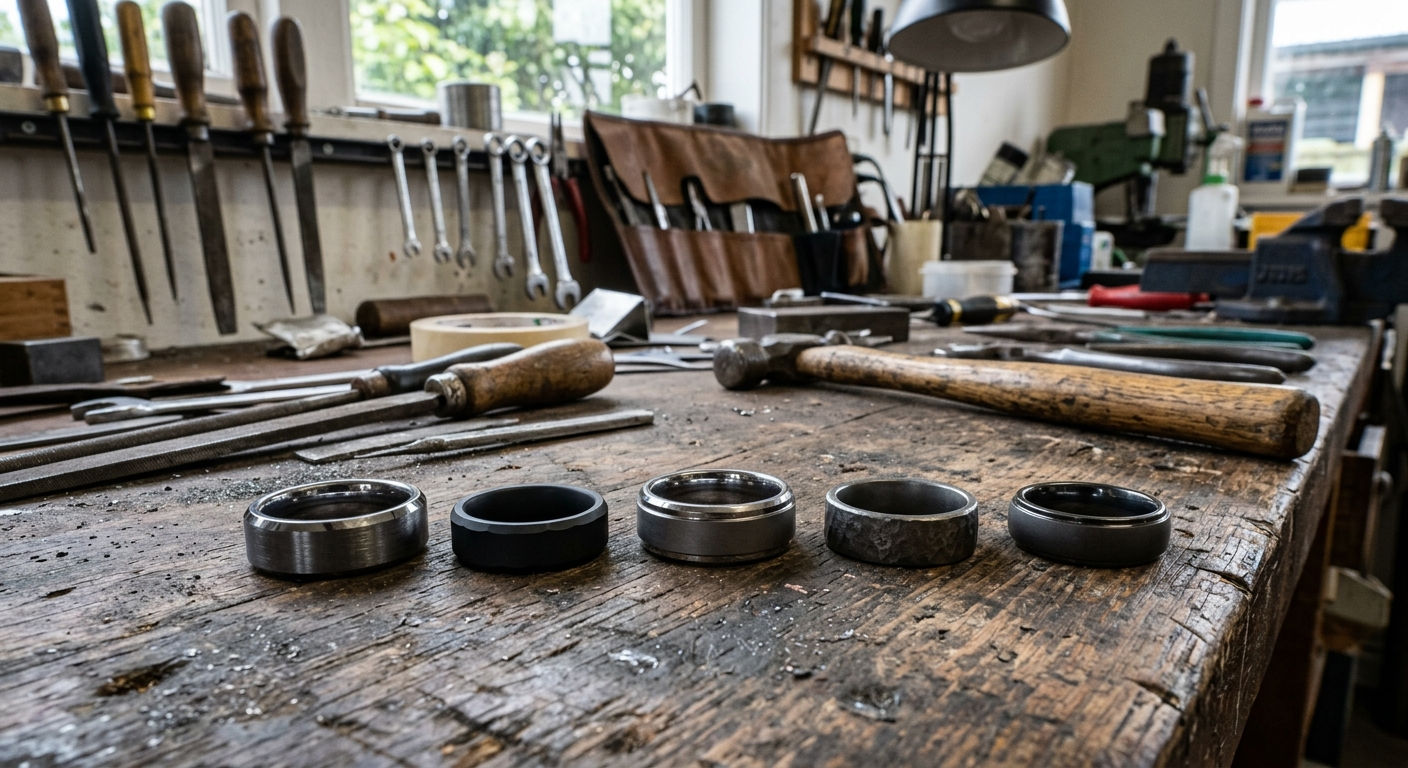
Not all materials are equal when it comes to tradie-proof wedding rings. Here are the four best options for Kiwi workers, ranked by durability, practicality, and wearability on the job.
1. Tungsten Carbide — The Workhorse
Tungsten carbide is the most popular choice for tradies in New Zealand, and for good reason. It rates 9 on the Mohs hardness scale — second only to diamond — meaning it resists scratches, dents, and surface wear far better than any precious metal. For a plumber or builder who scrapes their hands against rough surfaces all day, tungsten holds its finish for years, not months.
Key advantages of tungsten rings for tradies:
- Scratch resistance: Near-impossible to scratch in daily work environments
- Weight and feel: Heavier than titanium, which many tradies describe as feeling more “substantial” and secure on the hand
- Affordable: Premium-quality tungsten rings in New Zealand typically range from NZD $79–$199 — far less than gold
- Corrosion resistant: Doesn’t react with common solvents, oils, or water
- Low maintenance: Polish with a soft cloth — no special cleaners required
One consideration: tungsten is brittle under extreme point-stress, meaning it can crack if hit sharply (unlike gold which bends). For most tradies this is a feature rather than a bug — a cracking ring in an emergency is safer than a bending one that tightens around your finger.
Browse our full range of tungsten wedding rings in NZ — including brushed, matte black, and wood inlay designs built for active wear.
2. Titanium — Lightweight and Strong
Titanium is the other top pick for wedding rings tradies in New Zealand swear by. It’s about 45% lighter than tungsten while still being significantly harder than gold or silver. For tradies who need to feel their hands clearly — electricians, mechanics, surgeons — that reduced weight is a meaningful advantage.
Titanium is biocompatible, meaning it won’t irritate skin even after extended contact with sweat and moisture. It resists corrosion in water, salt, and most industrial chemicals. It’s also MRI-safe, which matters if you’re ever in a workplace accident that requires medical imaging.
Our range of titanium rings for men includes brushed, polished, and black PVD-coated options suited to all work environments.
3. Black Ceramic — Scratch-Proof and Chemical-Resistant
Black ceramic rings offer one of the most durable finishes available in men’s wedding bands. Ceramic has a hardness of 8.5 on the Mohs scale and virtually zero porosity, meaning it doesn’t absorb chemicals, oils, or solvents the way softer metals do. For mechanics or anyone working with fuels, lubricants, or industrial chemicals, this is a significant advantage.
The colour is baked into the material — not a plating or coating — so it won’t chip, peel, or fade no matter how much physical work you do. If you want a ring that looks as good after five years on the tools as it did on your wedding day, black ceramic wedding rings are hard to beat.
4. Silicone Safety Rings — The On-the-Job Solution
Silicone rings were designed specifically for situations where wearing any hard ring creates safety risks — near rotating machinery, live electrical systems, or in confined spaces. They’re made from medical-grade silicone that stretches and breaks under enough force, preventing the kind of degloving injuries that have hospitalised workers across New Zealand and Australia.
Many tradies use a two-ring approach: wear a quality tungsten or titanium ring off the job and switch to a silicone ring on-site. This way you get the look and feel of a proper wedding ring while protecting yourself at work.
Ring Safety on the Job Site
Ring safety is a genuine workplace health and safety issue in New Zealand. The key principle is straightforward: any ring can become a hazard near rotating machinery, electrical equipment, or in confined spaces where your hand could catch on protruding objects.
According to WorkSafe New Zealand, all workers have a duty under the Health and Safety at Work Act 2015 to manage personal protective equipment appropriately. Many employers in construction, electrical, and heavy industries have formal policies about jewellery on-site.
Here’s what the professionals recommend:
Tradies by Industry: What to Wear
- Builders and carpenters: Tungsten or titanium rings are generally safe for most construction tasks. Remove when operating circular saws, drills, or other rotating tools. Alternatively, switch to silicone on-site.
- Electricians: Metal rings conduct electricity. WorkSafe and the Electrical Workers Registration Board strongly advise against wearing any metal ring while performing live electrical work. A silicone ring or no ring at all is the safe choice on the job.
- Mechanics and automotive technicians: Metal rings can catch on engine components. Chemical exposure from lubricants and solvents is less damaging to tungsten and titanium than to gold, but removal near rotating parts is best practice.
- Plumbers and gasfitters: Tungsten and titanium resist corrosion from water and most plumbing chemicals. Silicone is the safest choice when working in tight spaces or with pressurised pipe systems.
- Farmers and agricultural workers: Silicone rings are the most practical option for outdoor rural work where hands are frequently in contact with fences, livestock, and machinery.
The Emergency Ring Removal Test
One important consideration often overlooked: can emergency services quickly remove your ring if you’re injured on site? Tungsten and ceramic rings cannot be cut with standard ring cutters — they require specialty tools. However, they can be cracked off with vice grips in a genuine emergency. Most hospitals in New Zealand now have the tools needed to remove all common ring materials. If you’re concerned, discuss this with your employer’s first aid officer.
What to Avoid: Materials That Won’t Last
Some ring materials are simply not suited to tradie work. Understanding what to avoid saves you money and protects your fingers.
Gold and Silver
Traditional gold (9ct, 18ct, 24ct) and silver wedding rings are beautiful but impractical for tradespeople. Gold is a soft metal — 24-carat gold has a Mohs hardness of only 2.5, which means tools, concrete, and even rough surfaces will scratch it within weeks. Gold rings can also deform under pressure, creating a ring that becomes tighter on your finger — exactly the scenario that causes degloving injuries.
Plated Rings
Some budget rings are made from base metals with a thin gold, silver, or black PVD coating. These wear through quickly, especially with the daily abrasion of tradie work. Within months you’ll have a ring that looks nothing like when you bought it. Look for rings where the colour goes through the entire material — like solid tungsten carbide or solid ceramic — rather than a surface coating.
Rose Gold and White Gold
These alloys are more durable than pure gold but still significantly softer than industrial-grade materials like tungsten or ceramic. They’re a reasonable choice for office workers or those in lighter trades, but not recommended for anyone in heavy construction, engineering, or automotive work.
Buying Guide: What to Look For
When choosing wedding rings for tradies in New Zealand, these are the factors that matter most beyond the aesthetic.
Comfort Fit vs Standard Fit
Comfort fit rings have a slightly rounded interior, which means the ring slides on and off more easily — important if your hands swell throughout a physical working day. If your ring ever feels tight after a hot day on the tools, a comfort fit band is the practical choice. Most of our men’s wedding rings at MensRingsOnline.co.nz are available in comfort fit profiles.
Ring Width
Wider rings (8mm+) look bold and feel more substantial, but they can be more restrictive on the finger during physical tasks. Many tradies prefer a 6mm or 7mm width — enough presence to look like a proper wedding ring without restricting movement on the tools.
Surface Finish
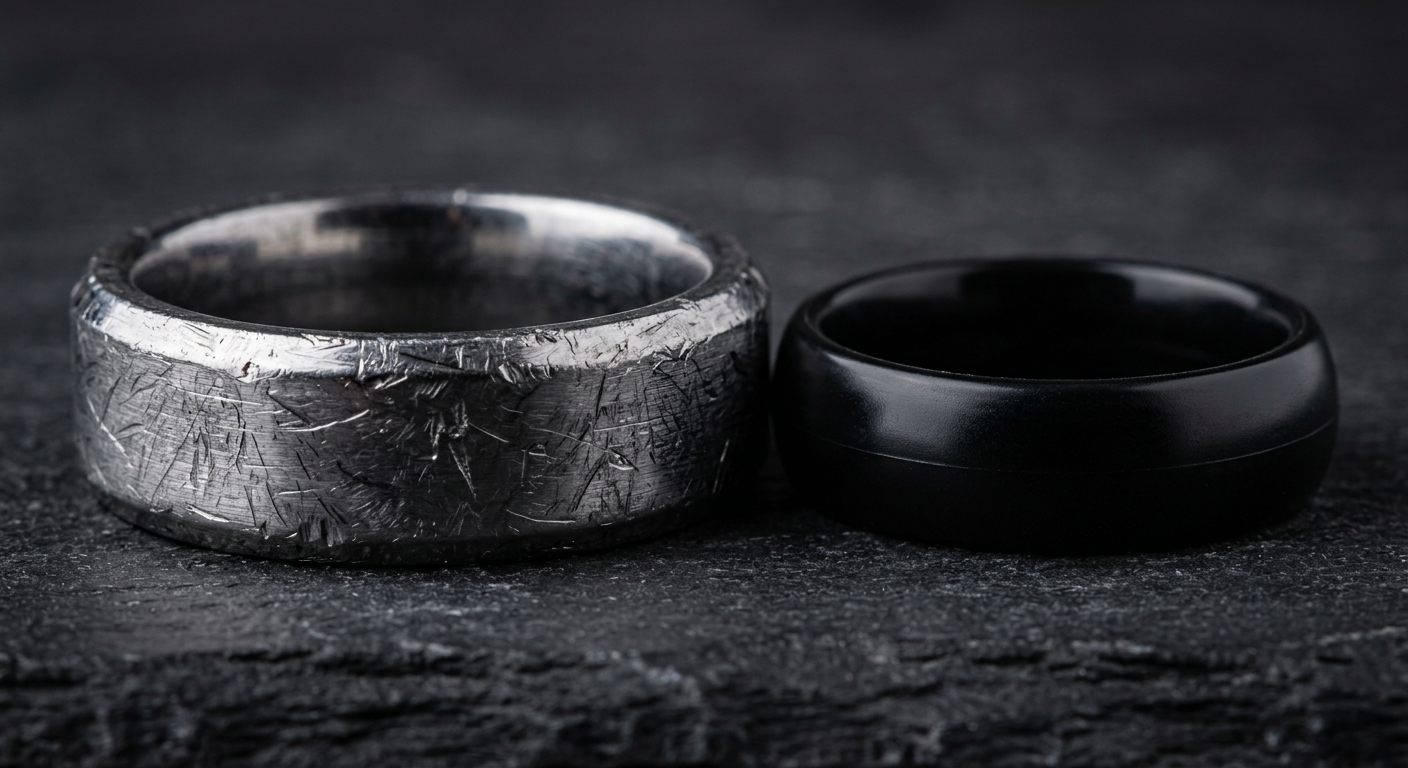
Polished finishes show scratches more readily than brushed or matte finishes. For a tradie, a brushed or satin finish is far more practical — it ages gracefully and won’t show every surface mark from a day on the job. Black matte finishes on tungsten and ceramic are particularly resilient and look sharp even after heavy use.
Sizing Accuracy
Getting your ring size right is crucial — especially for materials like tungsten and ceramic that cannot be resized. Our NZ ring size guide walks you through how to measure your finger at home accurately. Tradie tip: measure your ring size at the end of the day when your fingers are at their largest from physical work, not first thing in the morning.
Warranty and Replacement Policy
A quality supplier of wedding rings for tradies in New Zealand should offer a warranty that accounts for the realities of physical work. Look for policies that cover manufacturing defects and consider sites that offer free or discounted replacement in the first year. If you are weighing up looks as well as durability, see our rundown of the best wedding ring styles for Kiwi tradies.
Frequently Asked Questions — Wedding Rings for Tradies NZ
What is the best wedding ring material for NZ tradies?
Tungsten carbide is widely considered the best wedding ring material for NZ tradies due to its exceptional scratch resistance (Mohs 9), affordability, and durability in demanding work environments. Titanium is the best choice for tradies who prefer a lightweight option or work around electrical equipment. Silicone safety rings are recommended for on-site wear near rotating machinery.
Can electricians wear wedding rings to work in New Zealand?
Metal rings are not safe for electricians performing live electrical work in New Zealand. Metal conducts electricity and wearing a metal ring during live electrical work creates a serious electrocution hazard. WorkSafe New Zealand recommends removing jewellery near electrical hazards. Many NZ electricians use silicone rings on the job and wear their main wedding ring off-site.
Is tungsten or titanium better for a tradie wedding ring?
Both are excellent for tradespeople. Tungsten is harder, heavier, and more scratch-resistant — ideal for builders, plumbers, and general construction. Titanium is lighter, MRI-safe, and more comfortable for all-day wear — preferred by mechanics and electricians. The best choice depends on your specific trade and personal comfort preference.
Can you resize a tungsten ring?
No. Tungsten carbide rings cannot be resized due to the hardness of the material. It’s essential to measure your ring size accurately before buying. Measure at the end of the day when your fingers are at their largest, and check our NZ ring size guide. Some suppliers offer an exchange policy for sizing issues — check the terms before purchasing.
What is ring avulsion and how do I avoid it?
Ring avulsion (also called degloving) is a serious injury where a ring catches on a fixed object and strips the tissue from the finger. It can occur with any hard ring near rotating machinery or when climbing or jumping. To reduce risk: use a silicone ring on-site, remove all rings near rotating equipment, and ensure your ring fits correctly — a loose ring is more likely to catch.
How much do tradie wedding rings cost in New Zealand?
Tungsten and titanium wedding rings in New Zealand typically cost between NZD $79–$249 depending on design, width, and finish. This is significantly less than gold rings, which can cost NZD $500–$3,000+. Many tradies invest in a quality tungsten or titanium band for everyday wear and save the precious metal ring for special occasions.
References & Sources
- WorkSafe New Zealand — Rings and Rotating Machinery
- WorkSafe New Zealand — Health and Safety at Work Act 2015
- Electrical Workers Registration Board New Zealand (EWRB)
- National Institutes of Health — Ring Avulsion Injuries: Classification and Prognosis
Last updated: March 2026. Content reviewed for accuracy by the MensRingsOnline.co.nz editorial team.