
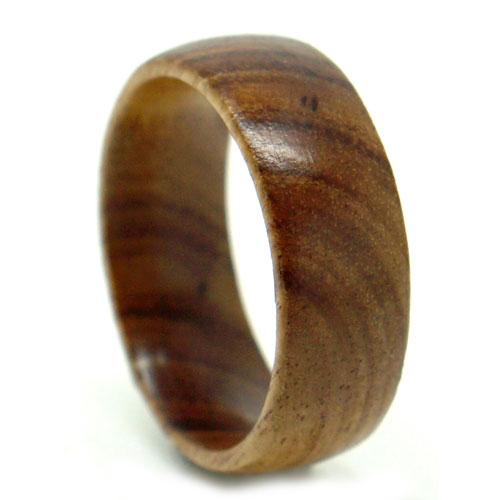
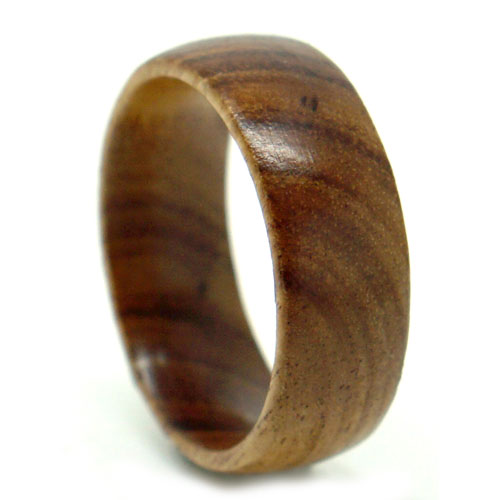
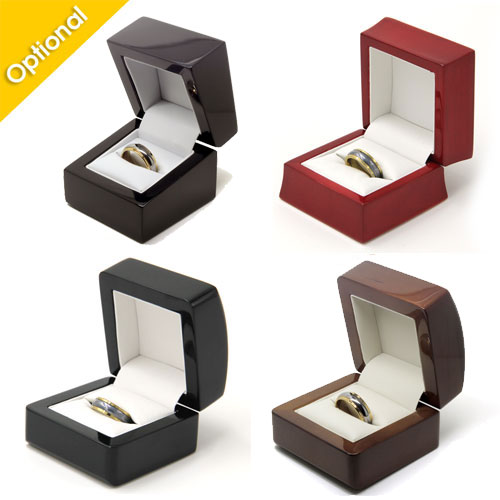
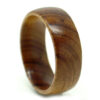
The details.

Natural timber inlay in a metal band — each section of wood is unique, so no two rings look identical. The combination of metal and wood gives this ring warmth that plain metal can't match. The timber is sealed for protection but prolonged soaking should be avoided. Built for blokes who appreciate natural materials — hunters, farmers, woodworkers, outdoors types. Tough base construction with a bit of Kiwi earthiness in the finish.

What 2 owners actually say.

Average 5.0 / 5 across 2 verified reviews.

Mariona P.★★★★★

Just received the ring and it meets all my expectations, is for a gift so I stikk don't know if it's the right size but it comes with a size tape in case we have to exchange it. I had many questions before I bought it and the customer service was great, fast and solved all my doubts. Very happy with everything:)
Jul 2
Richard C.★★★★★

My ring failed which was disappointing, but the speed and attention provided by MR relieved my frustration. Well done MR on your ability to look after your customers and ensure they are looked after. I feel that way!

Feb 24

Caring for your Wood Inlay ring

Wooden inlays on men's rings (koa, walnut, whisky-barrel oak and similar) are stabilised with resin or oil to seal the grain, but they're still organic and need gentler care than full-metal bands. Wipe with a slightly damp cloth — never soak the ring — and dry it immediately. Once or twice a year rub a drop of mineral oil or beeswax into the inlay with a soft cloth to keep the wood from drying out, especially through NZ winters where indoor heating drops humidity.

Take the ring off in the shower, pool, spa and surf — prolonged water exposure can eventually lift the inlay from its metal channel. Same goes for the dishwasher and washing-machine front. With sensible care a quality wood-inlay ring lasts decades; the metal outer sleeve (usually titanium, tungsten or ceramic) protects the wood from edge knocks and impact.

Common questions about Wood Inlay rings

Will the wood inlay crack or fall out?

Quality wooden inlays are pressure-set and resin-stabilised, so they stay put through normal wear. The two things that cause failures are prolonged water exposure (showering and swimming with it on) and extreme dryness, which can shrink the wood. Avoid both and the inlay lasts as long as the metal sleeve.

Can I shower or swim with a wood-inlay ring?

Quick splashes are fine, but daily showers and any swimming will eventually swell the wood and lift the inlay. Take the ring off and place it on a dry shelf — most NZ buyers keep a small dish on the bathroom bench for exactly this.

How do I keep the wood looking fresh?

Twice a year, rub a tiny amount of mineral oil or beeswax into the inlay with a soft cloth and buff off the excess. This replaces natural oils lost to skin contact and dry indoor air, and brings back the colour depth without any sticky residue.

Are wood-inlay rings suitable for tradies?

They suit lighter trades and office wear better than heavy site work. Sand, sawdust, solvents and constant glove abrasion will wear the inlay faster than a plain metal band. For full-time tradie wear, look at full titanium or tungsten — wood-inlay rings are better for evenings and weekends.

Considering alternatives?

Most wood-inlay rings use a metal sleeve, and the most common pairing is titanium rings as the outer band — lightweight, hypoallergenic and easy to engrave. If you love the natural-materials look but want zero maintenance, a plain titanium band gives a similar warmth-on-finger feel without the inlay care.