
How Much Is a Men’s Engagement Ring in NZ? Costs Explained

In short: Men’s engagement rings in New Zealand range from about NZ$140 for a well-made tungsten band to NZ$5,000+ for a platinum ring with a centre diamond. Price is driven by metal choice, design complexity and stones. Expect GST included, free sizing on precious metals, and rural delivery surcharges from most NZ jewellers.
Men’s engagement rings have moved from a niche request to a standard part of the proposal conversation in New Zealand. Couples in Auckland, Wellington and Christchurch are increasingly buying two rings rather than one, and the first question is almost always the same: what should it actually cost?
The honest answer is that prices in NZD range from under $150 for a well-made tungsten band to well over $5,000 for a platinum ring set with a centre diamond. The gap is wide because the materials, the labour and the stones each pull the price in different directions. This guide walks through the bands that matter, the trade-offs at each level, and what’s specific to buying in New Zealand — GST, sizing, rural delivery and warranty expectations included.
What Drives the Price of a Men’s Engagement Ring
Three factors do most of the work: the metal, the design, and any stones. Get a feel for how each one moves the number and the rest of the decision becomes much easier.
Metal Choice
Metal is the single biggest lever. Precious metals — gold in 9ct, 14ct or 18ct, and platinum — carry the spot price of the metal itself, which means a wider, heavier band costs more even before any design work. Alternative metals like tungsten, titanium, silicone and carbon fibre sit at a different price point entirely because the raw material cost is low and the manufacturing is more industrial than artisanal.
For context, an 8mm tungsten band typically lands between NZ$140 and NZ$280. The same width in 9ct yellow gold can run NZ$1,400 to NZ$2,400, and in platinum it climbs further again — often NZ$2,800 to NZ$4,500 — because platinum is denser and the rough metal alone is more expensive per gram.
Design and Craftsmanship
A flat, polished band is the cheapest thing a workshop can produce. Add a hammered finish, a bevelled edge, a wood inlay or a mixed-metal sleeve and you’re paying for setup time, hand-finishing and sometimes a higher reject rate. Comfort-fit interiors, laser engraving and brushed centre stripes are now common at the mid-tier and don’t add huge cost, but anything genuinely custom — a hand-carved pattern, an offset groove, an inlay sourced specifically for the ring — moves the price meaningfully.
Gemstones
Most men’s engagement rings stay understated, but stones do appear. A single 0.20ct diamond flush-set into a tungsten band might add NZ$200 to NZ$400. A 0.50ct centre diamond in a gold setting can add NZ$2,000 or more on its own. Coloured stones — sapphire, black diamond, ruby — are generally cheaper than white diamonds of the same size, and lab-grown diamonds now sit at roughly 30–50% of the price of mined stones of equivalent grade.
Price Bands in NZD
Rather than thinking in vague terms like “budget” or “luxury”, it helps to look at what each band actually buys you in New Zealand today.
Under NZ$300: Entry Bands
This is where tungsten, titanium and silicone live. You’re getting a solid, durable ring in a modern finish — brushed, polished, black-plated or two-tone. Tungsten is scratch-resistant and heavy in the hand; titanium is lighter and hypoallergenic; silicone is the obvious pick for tradies, climbers, and anyone working with their hands. None of these will resize, so getting the size right the first time matters more than at the precious-metal end.
NZ$300 to NZ$1,200: The Mid-Range
Here the options open up. You can get a 9ct gold band, a heavier titanium ring with an inlay, or a tungsten band with a small accent diamond. Carbon fibre rings with titanium or gold sleeves sit in this bracket, as do most of the more interesting wood-inlay designs. This is the price band most NZ couples actually buy in.
NZ$1,200 to NZ$3,000: Solid Precious Metal
14ct and 18ct gold bands, lighter platinum rings, and gold rings with small set diamonds all live here. Build quality is noticeably better — heavier weight, deeper finish, and the option to resize down the track. If long-term wear matters and the wearer wants something that can be re-polished, re-plated or re-sized over decades, this is the entry point.
NZ$3,000 and Above: Platinum and Centre Stones
Full platinum bands, heavier 18ct gold rings, and anything with a meaningful centre diamond. At this level the stone is doing as much of the work as the metal. You’d also expect proper hand-finishing, a maker’s mark, and certification for any diamond over 0.30ct.
Buying a Men’s Engagement Ring in New Zealand
A few NZ-specific points are worth flagging before you commit.
GST and Pricing
Prices on reputable NZ jewellery sites are GST-inclusive — the number on the product page is what you pay at checkout. Be careful with overseas retailers quoting USD or GBP: by the time you add 15% GST on import, currency conversion and any customs handling fee, a “cheap” overseas ring often costs more than the equivalent ring bought locally, and the warranty becomes much harder to action.
Sizing
New Zealand uses the same alphabetical ring sizing as Australia and the UK — A to Z, with half sizes. Most men land between R and Z. If you’re proposing and don’t know the size, the safest play is a band from his existing rings (or a quiet trip to a jeweller with one), not a guess. Our NZ ring size guide covers the printable sizer and the wrap-and-measure method if you need to size at home.
Delivery
Free delivery across New Zealand is standard at the established retailers, including rural addresses, though rural delivery typically adds 1–2 working days. Allow longer over December — couriers run hot from late November through to the second week of January.
Returns and Resizing
Tungsten, titanium, ceramic and silicone cannot be resized. Most NZ retailers handle this with a free first exchange if the ring doesn’t fit, provided it’s unworn and returned within the stated window. Gold and platinum rings can usually be resized at a workshop here in NZ, though wider bands and rings with channel-set stones cost more to resize because the structure has to be opened and the stones reset.
Choosing the Right Material for His Lifestyle
Cost is only half the question — the other half is whether the ring will actually survive how he lives.
Active or Trades Work
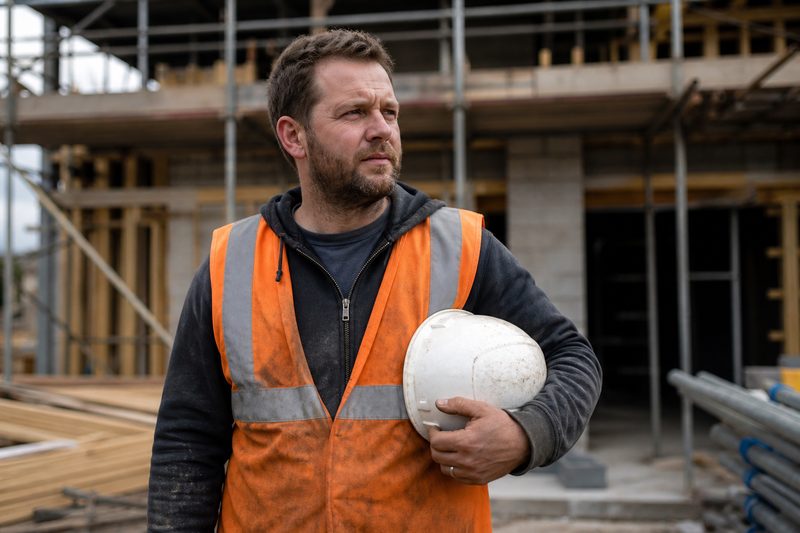
For builders, electricians, farmers, mechanics or anyone working with machinery, a silicone or tungsten band is the practical pick. Silicone breaks away under load (genuinely useful if a ring catches on something), and tungsten won’t scratch on tools or concrete. A gold band on a busy site will look tired inside six months.
Office or Mixed Use
Titanium, 9ct or 14ct gold, and carbon fibre all hold up well to everyday wear. They develop a soft patina over years rather than visible damage. This is where most NZ couples land.
Statement Piece
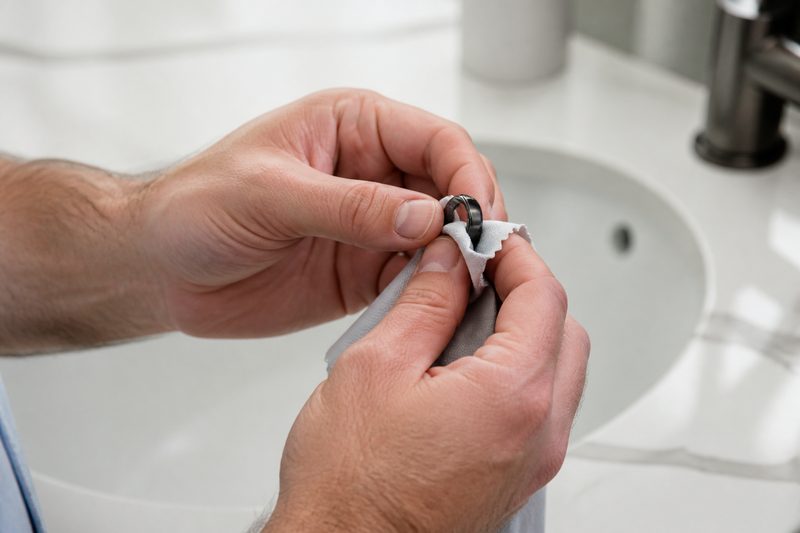
Platinum, 18ct gold and rings with set stones suit someone who wants the ring to read as formal jewellery. They need slightly more care — a soft cloth wipe weekly, an annual check on stone settings — but they age well over decades.
Bespoke and Custom Designs
Genuine custom work in NZ usually starts around NZ$2,500 and runs to NZ$10,000 or beyond depending on materials and stones. The process typically takes 6–10 weeks: an initial brief, a CAD render, sign-off, casting, setting and finishing. The cost reflects the design time and the fact that the workshop can’t reuse the tooling on another order.
For most couples, choosing from an existing range and engraving the inside of the band gets 90% of the personalisation at 10% of the cost. Names, dates, coordinates, a short phrase — all standard, usually included free or for a small fee. Have a look at our broader men’s wedding and engagement ring range before commissioning anything bespoke; you may find the ring already exists.
Setting a Budget That Makes Sense
Old rules of thumb — “two months’ salary” and similar — were marketing copy from the 1940s, not financial advice. A more useful frame: pick a number you can pay without putting it on a credit card, and shop within it. The ring is a marker of the commitment, not a proxy for it.
A realistic NZ budget for a quality men’s engagement ring sits between NZ$400 and NZ$1,500 for most couples. That window covers titanium, tungsten with inlays, 9ct gold, and entry 14ct gold — all materials that will hold up to daily wear and look right ten years from now.
Final Considerations
The right men’s engagement ring is the one he’ll actually wear every day. Material first, design second, stones last — that ordering tends to produce rings that get worn rather than left in a drawer. Set a budget, shortlist three or four options across the materials that suit his lifestyle, and choose from those rather than browsing endlessly. Whether you end up with a NZ$220 tungsten band or a NZ$4,500 platinum ring, the value sits in the wearing, not the price tag.
Common questions
How much should I spend on a men's engagement ring in NZ?
Most New Zealand couples spend between NZ$400 and NZ$1,500 on a men's engagement ring, which covers good-quality tungsten, titanium, 9ct gold and entry 14ct gold options. Spending less is fine if you stick to reputable retailers — a NZ$200 tungsten band from an established NZ seller will outlast a cheaper unbranded import. There's no fixed rule; the old 'two months' salary' line is marketing, not advice.
Are prices on NZ jewellery sites GST-inclusive?
Yes. Reputable New Zealand retailers display prices including the 15% GST, so the figure on the product page is the figure you pay at checkout. Be careful with overseas sites quoting USD or GBP — once GST, currency conversion and any customs handling fees are added, the imported ring often ends up more expensive than buying locally, and any warranty claim becomes harder to action.
What ring size does New Zealand use?
New Zealand uses the alphabetical A–Z system shared with Australia and the UK, including half sizes. Most men measure between R and Z. The most accurate way to find a size is to take one of his existing rings to a jeweller, though a printable sizer or wrap-and-measure method works if you need to size at home discreetly before proposing.
Can tungsten and titanium rings be resized?
No — tungsten, titanium, ceramic and silicone cannot be resized due to the hardness of the material. Most New Zealand retailers handle this with a free first exchange for a different size if the ring is unworn and returned within their stated window. Gold and platinum rings can be resized at a workshop in NZ, though wider bands and rings with channel-set stones cost more to alter.
Is free delivery available for engagement rings across New Zealand?
Yes, free standard delivery across New Zealand is offered by most established jewellery retailers, including to rural delivery addresses. Rural delivery typically adds one to two working days. Over the December peak, allow extra time from late November through to mid-January as courier networks run at capacity nationwide.