
Tungsten vs Titanium vs Silicone Wedding Bands: Which is Right for You?

Choosing a wedding band shouldn’t be complicated — but walk into any ring shop and you’ll quickly get lost in a wall of options. Tungsten. Titanium. Silicone. All three are popular with NZ blokes right now, and for good reason. They’re tough, affordable, and they actually look good.
But they’re not the same. The right material depends on your job, your lifestyle, and honestly, how much you care about replacing a ring if things go sideways.
This guide cuts through the noise. We’ll compare all three on durability, comfort, price, and lifestyle fit — with a clear verdict on who each material is actually for.
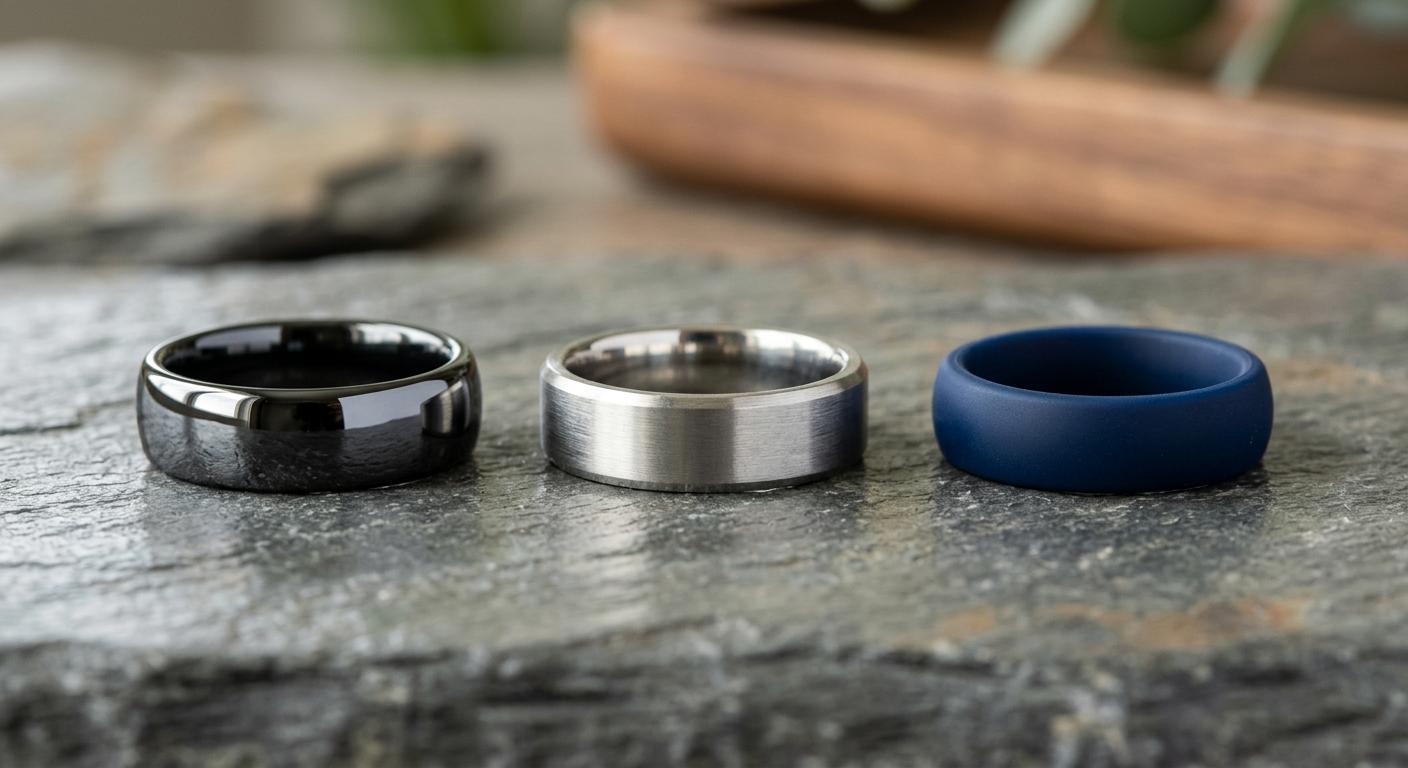
Quick Comparison: Tungsten vs Titanium vs Silicone
| Tungsten | Titanium | Silicone | |
|---|---|---|---|
| Durability | Extremely hard, scratch-resistant | Very strong, lightweight | Flexible, won’t crack |
| Weight | Heavy | Light | Featherlight |
| Resizable? | No | Limited | Stretches to fit |
| Safe for trades? | Not ideal | Better, but not ideal | Yes — designed for it |
| NZ Price Range | $80–$350 | $90–$400 | $20–$80 |
| Best for | Everyday wear, style-focused | Active lifestyle, comfort | Manual work, sport |
Tungsten Wedding Bands
What Is Tungsten?
Tungsten carbide is one of the hardest metals used in jewellery. It sits at around 9 on the Mohs hardness scale (diamond is 10). What that means in practice: it’s nearly impossible to scratch under normal conditions. For a bloke who wants a ring that looks brand new five years down the track, tungsten delivers.
The Pros
Scratch resistance is unmatched. Titanium will pick up light surface scratches over time. Tungsten won’t. If you want a ring that keeps its polish or brushed finish indefinitely, tungsten wins this category outright.
Weight feels substantial. Some guys love the heft of a tungsten band — it feels like a quality piece of jewellery. If you’ve worn gold before and liked the solid feel, tungsten will suit you.
Price is accessible in NZ. You can get a quality tungsten band for $100–$200 NZD from a reputable online retailer, which puts it well within reach compared to traditional metals.
Wide finish variety. Tungsten comes in polished, brushed, black PVD, and two-tone finishes. It photographs well, holds its finish, and looks sharp with almost any style of suit or casual gear.
The Cons
Tungsten can’t be resized. This is the big one. Because it’s so hard, jewellers can’t stretch or compress it. If your fingers change size — and they do, especially as you age or gain muscle — you’ll need to replace the ring. Most reputable sellers offer a sizing exchange policy, so make sure you check before buying.
It can shatter under extreme impact. Tungsten’s hardness makes it brittle. Drop it on concrete at the wrong angle and it can crack. This is rare in everyday use, but it’s worth knowing.
Not recommended for manual trades. Tungsten won’t flex or break cleanly in a ring avulsion situation. For electricians, builders, or farmers — silicone is the safer call on the job.
Who Tungsten Is For
- Office, hospitality, or any role where hands aren’t regularly at risk
- Wants a scratch-proof ring they don’t have to think about
- Likes a heavier, more substantial feel
- After a stylish, well-finished band at a reasonable NZ price
Titanium Wedding Bands
What Is Titanium?
Titanium is a naturally occurring metal used in aerospace, medical implants, and — increasingly — men’s jewellery. It’s lighter than tungsten and gold, exceptionally strong for its weight, and hypoallergenic, which matters more than people think.
The Pros
Lightweight comfort. Titanium is roughly 45% lighter than steel and significantly lighter than tungsten. For guys who’ve never worn a ring before, or who find heavy rings uncomfortable, titanium is often the answer. You can wear it all day and forget it’s there.
Extremely strong. It won’t crack under impact like tungsten can. It flexes slightly rather than shattering, which makes it more forgiving in active situations.
Hypoallergenic. If you’ve had reactions to cheaper alloys or even gold, titanium is unlikely to cause any skin irritation. It’s biocompatible — the same material used in surgical implants.
Corrosion resistant. Saltwater, sweat, chemicals — titanium handles it all better than most metals. Great for NZ guys who spend time at the beach, fishing, or working outdoors.
The Cons
Can be scratched. Not easily, but titanium does develop surface marks over time, especially with a polished finish. A brushed or matte finish hides wear much better.
Limited resizing. Unlike gold, titanium can’t be resized easily. When in doubt, size up.
Who Titanium Is For
- Wants a lightweight ring they can forget is on their hand
- Active lifestyle — gym, hiking, outdoor sports
- Sensitive skin or history of metal allergies
- Works outdoors but not in high-risk trades
- Prefers a clean, modern aesthetic
Silicone Wedding Bands
What Is Silicone?
Silicone rings are made from medical-grade silicone — the same flexible, non-reactive material used in medical and food-grade applications. They’re designed to be the safe, practical alternative to metal rings for men with active or physically demanding lives.
The Pros
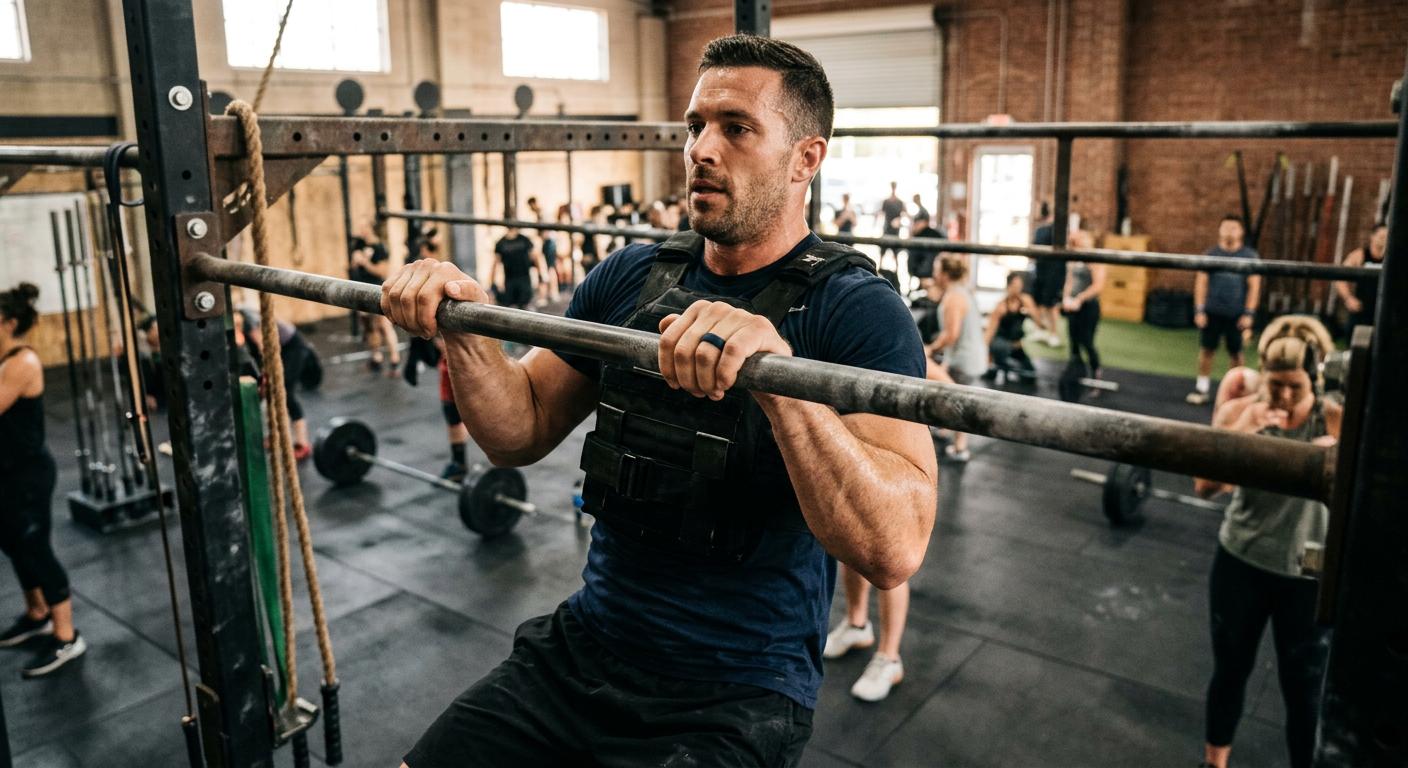
Purpose-built for active use. Silicone rings are designed to break or stretch under extreme pressure, which makes them the only truly safe option for tradesmen, emergency services workers, military, and anyone who operates machinery regularly. Ring avulsion is a serious injury — silicone dramatically reduces that risk.
Extremely comfortable. Silicone is flexible and conforms to your finger. If you find metal rings uncomfortable during physical activity, silicone solves that immediately.
Affordable. Silicone bands typically range from $20–$80 NZD. Many guys buy two or three — one for work, one for weekends, one as backup.
The Cons
Not everyone’s aesthetic. Silicone rings are functional, not traditionally “fine jewellery.” If you care about how your ring looks at a business meeting or formal event, silicone might not be the vibe.
Can stretch out of shape over time. Buying from a reputable brand with medical-grade silicone matters here.
Who Silicone Is For
- Works in trades, construction, farming, emergency services, or the military
- Trains seriously in the gym or competes in sport
- Wants a ring for work and keeps metal band for special occasions
- Wants something cheap enough to replace without stressing about it
NZ Pricing Context
| Material | Entry Level | Mid Range | Premium |
|---|---|---|---|
| Tungsten | $80–$120 NZD | $120–$200 NZD | $200–$350 NZD |
| Titanium | $90–$130 NZD | $130–$220 NZD | $220–$400 NZD |
| Silicone | $20–$40 NZD | $40–$60 NZD | $60–$80 NZD |
Import duties and GST apply on international orders — buying from a NZ-based retailer means no surprise customs fees and easier returns if you need to exchange sizes.
The Verdict: Which Material Is Right for You?
Choose tungsten if: You want the most scratch-resistant ring available, you work in a low-risk physical environment, and you like a heavier, premium feel. Go brushed or black tungsten for the most popular NZ look right now.
Choose titanium if: Comfort and lightweight wearability are your priority. You’re active but not in a high-risk trade. You want something that handles the beach, gym, and outdoors without fuss. Titanium is the most versatile all-rounder of the three.
Choose silicone if: You work with your hands, operate machinery, or do anything where a metal ring is a safety risk. Or if you want a cheap, functional backup ring while keeping your metal band for formal occasions.
Can’t decide? The most popular approach with NZ blokes right now is a mid-range titanium or tungsten band for everyday and formal wear, paired with a $30–$40 silicone ring for work. Both serve different purposes, and the combined cost is still well under what you’d pay for a single gold band.
A Note on Sizing
- Tungsten: Can’t be resized. If you’re between sizes, go half a size up. Measure in the afternoon when fingers are slightly larger.
- Titanium: Very limited resizing. When in doubt, size up slightly.
- Silicone: Stretches slightly and is more forgiving. If between sizes, size down — it’ll stretch to fit.
Frequently Asked Questions
Is tungsten or titanium better for a wedding ring?
Depends on your priorities. Tungsten is more scratch-resistant and feels heavier. Titanium is lighter, more comfortable for daily wear, and slightly more forgiving in active situations. Both are excellent choices for NZ men who want a durable, affordable alternative to gold.
How long does a tungsten ring last?
Under normal daily use, a quality tungsten ring should last decades without visible wear. The scratch resistance is exceptional. The main risk is cracking from a sharp impact, which is rare.
Can silicone rings be worn permanently?
Yes, though some men prefer to rotate between silicone (for work/sport) and a metal band (for formal occasions). Silicone is comfortable enough to wear 24/7 if you want to.
Are tungsten rings safe for electricians?
No. Tungsten conducts electricity and can’t break free in an emergency. Electricians should wear a silicone band rated as non-conductive. Most major silicone ring brands confirm their rings are non-conductive and safe for electrical work.
Where can I buy tungsten, titanium, or silicone rings in New Zealand?
Mens Rings Online ships from New Zealand — no customs fees, easy size exchanges, and a wide range of tungsten, titanium, and silicone bands. Browse the full collection at mensringsonline.co.nz.
Shop by Material (NZ)
If you already know your preferred material, browse the core collections:
Helpful Next Steps Before You Buy
- Not sure on sizing? Use the Ring Size Chart & Sizer Guide.
- Want an accurate fit at home? Order the Free Ring Sizer.
- Compare all styles in one place: Mens Rings Online NZ.
- Still deciding on the metal? Read what type of metal is best for a man’s wedding ring in NZ.
References
- International Gem Society — Mohs Hardness Scale: gemsociety.org
- Worksafe NZ guidance (PPE & workplace safety context): worksafe.govt.nz
- Titanium biocompatibility overview (NIH): nih.gov / PubMed Central