

Great product, loved the packaging, have taken it off since getting it. 100% recommend it.
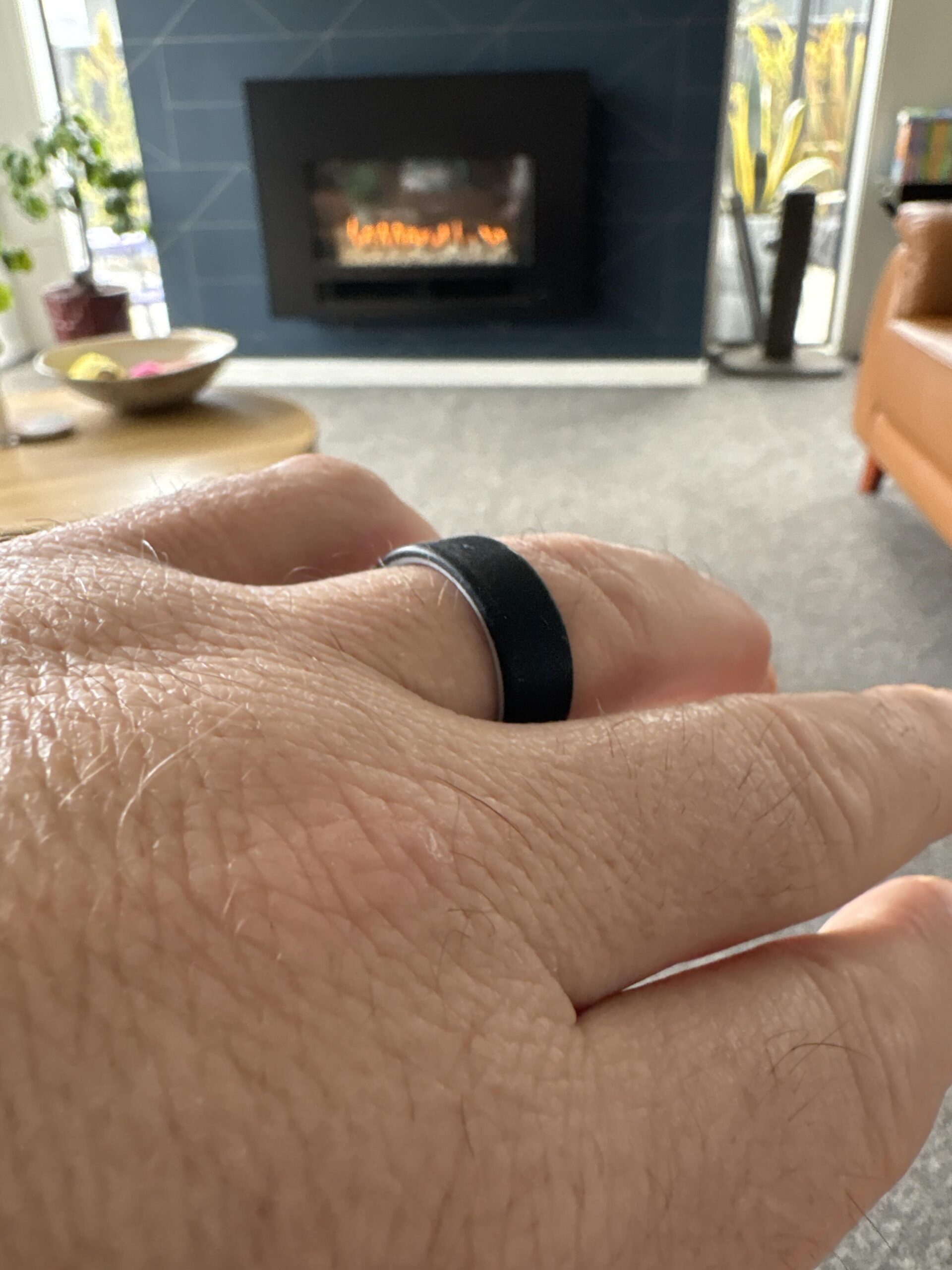

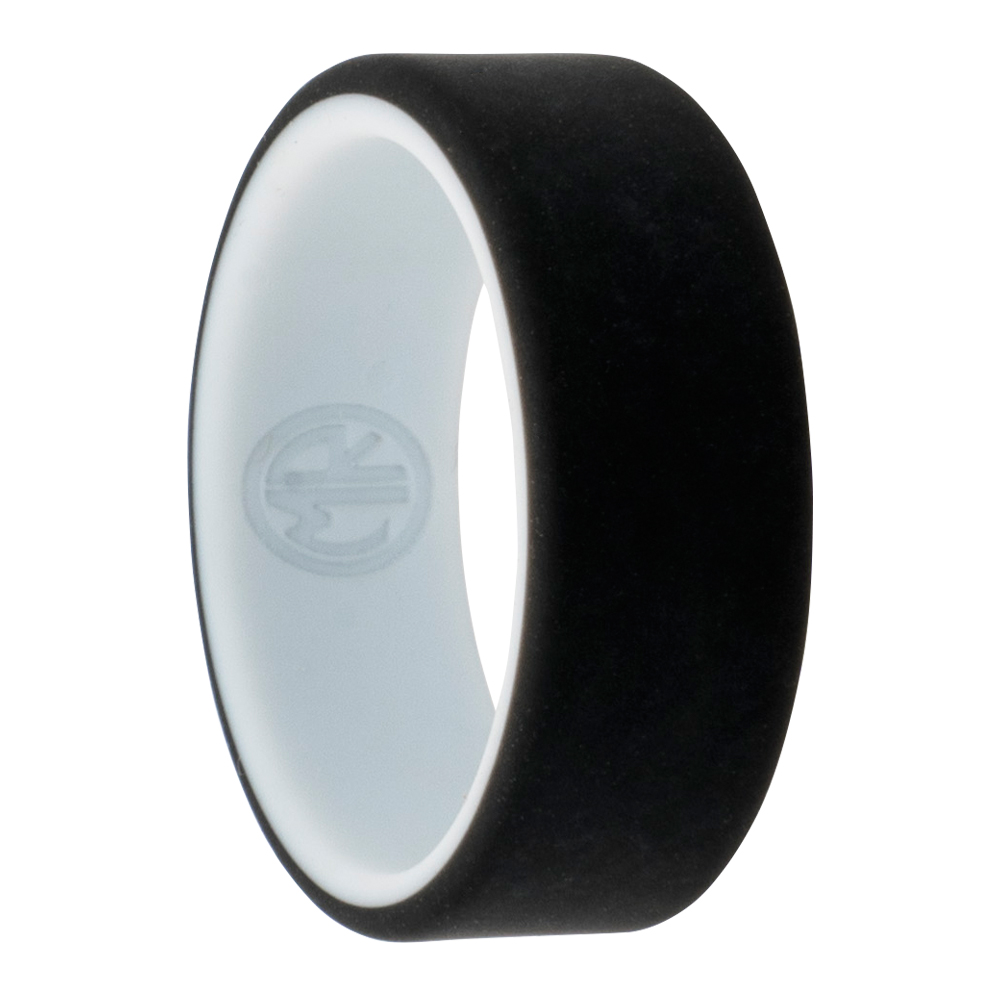

For Kiwi blokes who spend time outdoors or working with their hands, a silicone ring makes more sense than metal in a lot of situations. This one is flexible, non-conductive, and designed to break safely if it catches on something. Available in 8mm — Made from quality medical-grade silicone. Waterproof, easy to clean, and comfortable enough to forget about. If you're pulling wire, handling stock, fishing, or doing anything where a solid ring is a hazard, this is the practical swap. Wear your metal band for special occasions, this one for everything else.
Rinse after milking or salt work — the white inner picks up muck faster than the black outer. Towel-dry the channel. It pops off cleanly when it snags a gate latch.
8mm silicone sits chunkier than metal — walls are thicker. Order true to your metal size; silicone stretches over the knuckle. Free NZ sizer on request.
If you own a tungsten band for town, this is the work-day swap. Tungsten will not flex if it snags; silicone breaks safely. See the tungsten rings for the dress option.
A: Grease and timber dye can tint the channel. Dish soap and a soft toothbrush clears it.
A: Yes — silicone is non-conductive, so brushing a hot wire will not earth through.
A: Snugger than metal — silicone has give, so loose fit spins. Resistance at knuckle, no pinch.
Average 5.0 / 5 across 1 verified reviews.
Great product, loved the packaging, have taken it off since getting it. 100% recommend it.
Wash your silicone ring with mild soap and water, rinse thoroughly and let the ring and your skin dry before putting it back on. Avoid solvents, excessive heat and prolonged direct sunlight.
Inspect the band for damage or stretching and replace it when needed. Silicone can tear, but a ring is not protective equipment and does not guarantee protection from injury. Follow your workplace rules and remove jewellery where the task requires it.
Silicone is flexible, but no ring is a safety device. Do not assume silicone is permitted wherever metal rings are banned. Follow your workplace rules and task-specific safety instructions, and remove jewellery where required. We do not claim a certified tear force or protection from ring-avulsion injuries.
Lifespan varies with fit, wear and exposure to heat or chemicals. Check your ring regularly and replace it if it tears, stretches or becomes damaged.
Rinse the ring after contact with saltwater or pool water, then dry it and your skin thoroughly. Avoid excessive heat and follow the rules of the activity or venue. We do not provide a certified temperature rating for these rings.
Any ring can trap moisture or irritate skin. Keep the ring and your skin clean and dry, and stop wearing it if irritation occurs. Seek advice from a health professional if symptoms persist.
For a lightweight metal option for everyday wear, explore titanium rings. Choose a ring for comfort and style, and follow workplace or activity rules about when to remove jewellery.
Every ring in our range is built to outlast the work it’s worn through. Here’s what comes with yours, and how we back it.
Not the right size or finish? Swap it within 60 days. Fee-free on in-stock rings over $90 ($10 under $90). Return postage is yours — tracked is safest.
Real heft in the hand. Nothing hollow, no plating to wear through. Same metal day one, day ten thousand.
If the metal cracks or breaks during everyday wear, we replace the ring. Plating and inlays wear naturally and aren't covered.
Dispatch
In-stock orders are usually dispatched within 1–2 business days (Monday to Friday) from Brisbane, Australia; made-to-order rings show their lead time above. NZ-wide tracked courier on every order.
Best to nail the fit on the first ring. Three quick ways to get there — pick whichever suits you.
Wait — don't leave it behind
Finish up now and we'll knock a little more off what's already in your bag — just for coming back.
Apply my discount & check out → No thanks, I'll pay full priceExtra 10% applies to all rings. Precious-metal rings (gold, silver, platinum & diamond) get 5%. Applied automatically — one use.