
Should You Buy a Silicone Wedding Band as a Backup Ring? NZ Guide

Why a Backup Ring Helps
A silicone wedding band backup ring is a simple second ring you wear when your main wedding band should stay safely at home. It is not meant to replace the ring you chose for your wedding. Think of it as the practical version: soft, light, inexpensive to replace and ready for the parts of life that are hard on jewellery.
For plenty of New Zealand blokes, that means a ring for the gym before work, a weekend on the tools, a surf, a fishing trip, a muddy trail run, or a day in the garden. It can also be useful for nurses, mechanics, electricians, builders, tradies and anyone who regularly puts on gloves. A metal band can catch, press into the finger under tight gloves, or become one more thing to worry about. Silicone is flexible, so it gives you a lower-stakes option for active days.
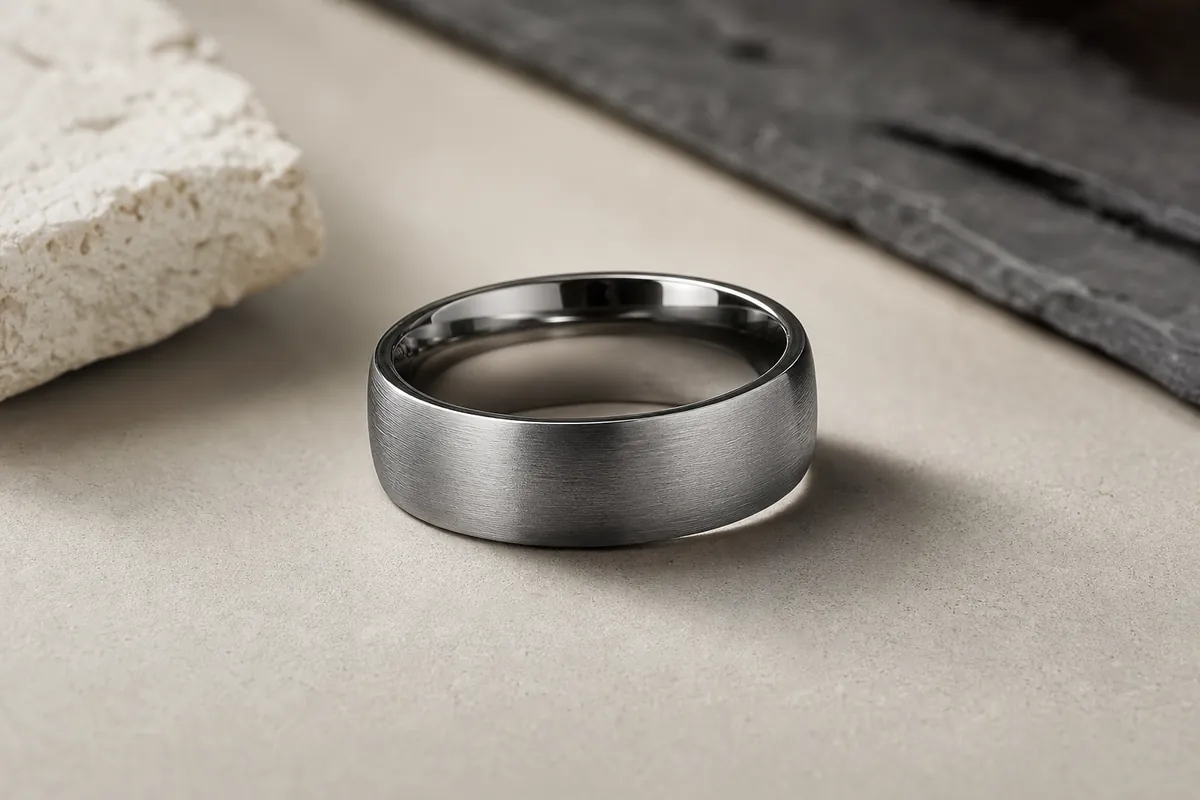
The case for a backup is not just about safety. Your main ring might be tungsten, titanium, black zirconium, carbon fibre or gold, and you may love exactly how substantial it feels. But a heavy ring can feel odd during kettlebells, pull-ups or a humid summer day. Silicone rings weigh very little and are usually comfortable enough that you forget about them. That is the point.
There is a sentimental angle too. Some people dislike leaving their finger bare, even for an afternoon. Wearing a silicone band keeps the visible signal of being married without taking the primary ring into a situation where it could be scratched, lost down a drain or left in a gym locker. Wedding planning sources such as The Knot’s guide to wedding ring etiquette reflect the broad idea that a wedding ring is personal: there is no rule saying you must wear the same ring in every activity.
A backup ring is especially sensible if your main band is a distinctive finish. A polished metal surface shows fine marks more readily than a matte or brushed finish, while inlaid materials and detailed edges deserve a bit more care. You do not need to baby a quality wedding band, but you also do not need to test it against concrete, barbells and engine bays for no reason.
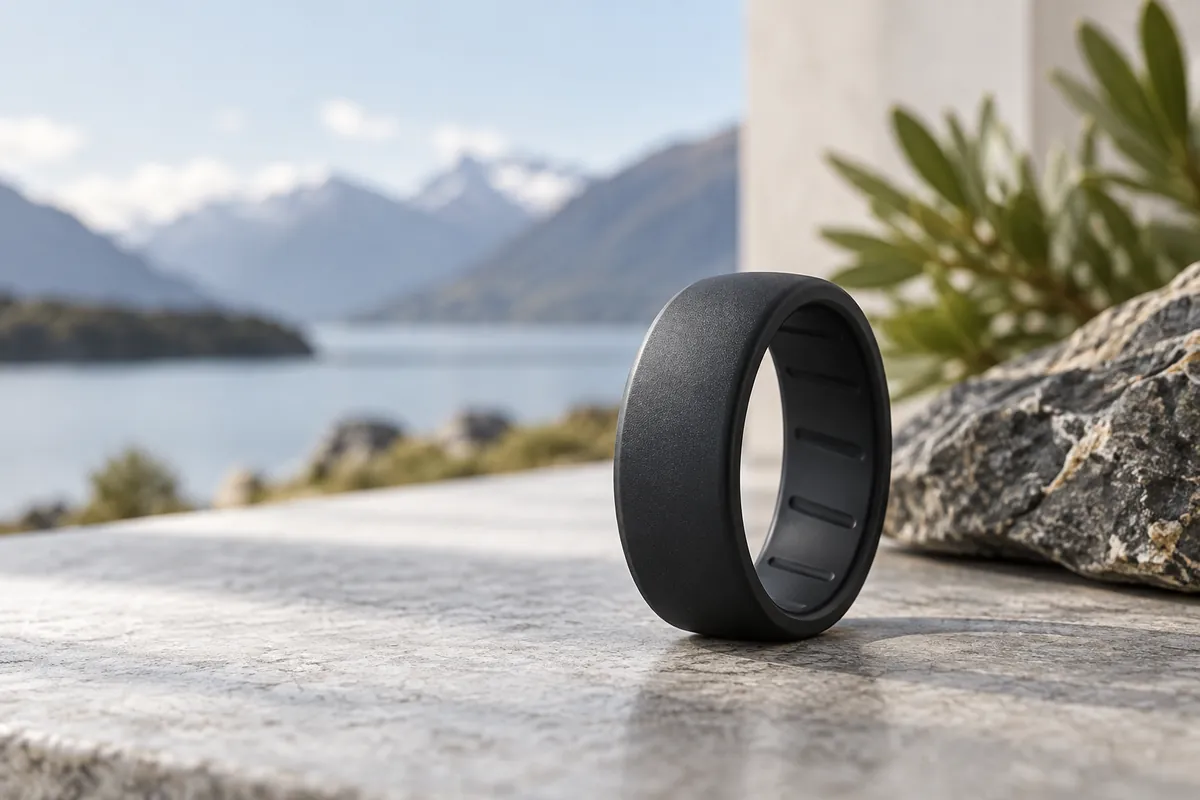
The useful distinction is this: a silicone ring is a backup for activity, not a cheap imitation of your wedding ring. Buy it with a clear job in mind and it becomes one of those small purchases that removes a surprising amount of friction.
Choosing Your Silicone Ring
Start with fit, not colour. Silicone has stretch, but that does not mean any size will do. A ring that is too loose can roll or slip off when your hands are wet. One that is too tight can leave a deep groove, feel sweaty and make you stop wearing it. Your best reference is the size of the finger you normally wear your wedding band on, then the product sizing guidance for the particular ring.
Measure later in the day, when hands are naturally a little warmer and fuller. Avoid sizing straight after a freezing swim, a long drive with the air conditioning blasting, or an intense workout. Those are not great snapshots of your normal finger size. If you sit between sizes, check the seller’s recommendation rather than guessing. Silicone ranges vary in thickness and stretch, so a size that works in one design is not guaranteed in another.
Next, choose the profile. A low-profile band is usually the best all-round backup because it sits close to the finger and is less noticeable under gloves. A wider ring makes more of a visual statement and can feel closer to a traditional band, but it holds more warmth against the skin. If you have never worn silicone, a modest width is the safer first purchase.
Consider your reason for owning it. For gym sessions and running, a slim, smooth style is hard to beat. For outdoor work, pick a design with uncomplicated edges that will rinse clean easily. For travel, choose a colour that works with most of your clothes and does not advertise itself from across the room. It sounds minor, but the ring you keep reaching for is the one that earns its place in the drawer.
It is also worth comparing it against your main ring’s look. A person with a dark wedding band may prefer a black silicone option because it feels familiar. The black silicone ring range is an easy match for understated wardrobes and darker metal finishes. If your primary ring is a black design, browsing the wider selection of men’s black rings can help you decide whether you want a close visual match or a deliberate contrast.
Finally, set your expectations correctly. Silicone is durable for its purpose, but it is not indestructible. It can tear, stretch or nick over time, particularly if it catches on a sharp edge. That is not a failure of the concept. It is the reason it works differently from rigid metal. Inspect it occasionally and replace it if the material becomes damaged or permanently distorted.
Styles and Colours
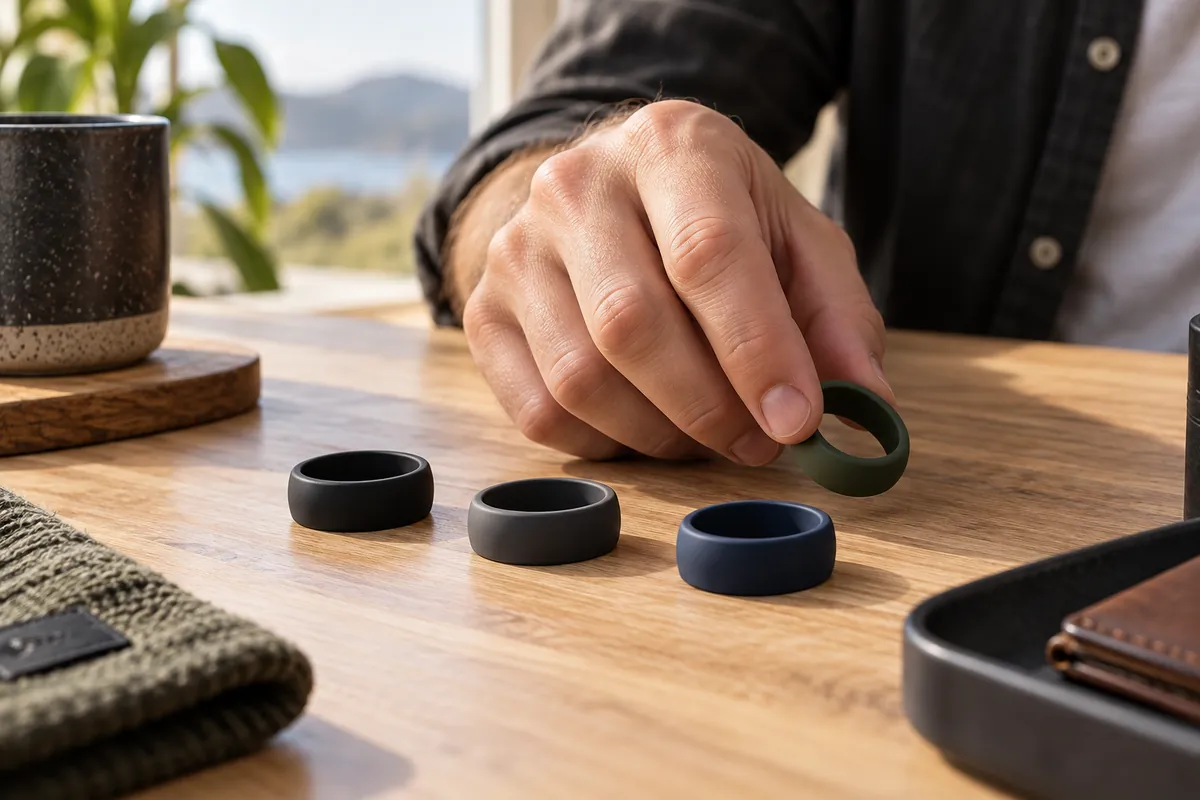
Plain black is the default for good reason. It is quiet, practical and works with everything from work shorts to a suit. It also makes the backup ring feel like a ring rather than novelty gym gear. If you wear mostly black, charcoal, navy or earth tones, it will probably be the least complicated choice.
Blue can be a better option than people expect. A deep navy silicone ring has enough colour to feel intentional without being loud, and it pairs naturally with denim and workwear. The blue silicone rings are a useful middle ground for someone who wants a separate active ring but does not want a bright accent.
Warmer colours have their place too. Bronze and brown silicone can sit well alongside tan leather boots, khaki clothing and warmer-toned metal jewellery. Take a look at bronze silicone bands or brown silicone bands if black feels a little too standard issue.
Style is not only colour. Some silicone rings are completely smooth, while others use stepped edges, subtle ridges or a bevelled profile. Smooth is easier to clean and generally better under gloves. A textured profile can look more like a conventional wedding band, which matters if you want the backup ring to feel polished enough for casual weekends and holidays.
Do not overthink matching materials exactly. A silicone backup does not need to mimic the grain of a carbon fibre ring, the gleam of gold, or the hard surface of ceramic. It just needs to suit your life. If your main ring is a sharper, dressier style, contrast can be more convincing than a poor imitation. A clean black silicone ring beside a formal metal band makes perfect sense.
Check Before You Buy
Before ordering, be honest about how often you will wear the backup. If it is only for one weekly gym session, a simple single-colour ring is enough. If you work in gloves five days a week, own two. That gives you a clean spare while the first is drying after a wash, and it avoids the classic problem of finding your only backup ring sitting on the bathroom shelf when you are already late.
Check the ring’s width and sizing details, then look at the care information. Silicone is easy to wash with mild soap and water. Dry it properly before putting it away, especially if you have been swimming or working in hot conditions. If your skin reacts to trapped moisture, take the ring off overnight and let both the ring and your finger breathe.
Also think about where the ring will be used. Silicone is often chosen for active settings because it is flexible, but workplace policies still matter. A particular job site, laboratory or clinical setting may require all rings to be removed. Follow the policy rather than treating any ring as a universal pass. WorkSafe New Zealand’s industry guidance is a sensible starting point for checking the safety expectations that apply to your work.
Price matters, but this is not the place to chase a bargain so aggressively that fit and comfort disappear. A backup ring should be affordable enough that replacing it is painless, yet comfortable enough that you do not abandon it after three wears. That balance is usually more valuable than an elaborate pattern or a logo stamped across the outside.
If you are still selecting the main wedding band as well, browse the broader men’s ring collections first. It can help to decide whether your silicone ring should blend with the primary band or be its own practical piece. Someone choosing a custom design may also want to explore custom-made men’s rings before settling on a backup colour.
Practical Expert Tips
Buy the silicone ring before you need it. The worst time to discover that a ring fits poorly is in the car park before a race, on the morning of a fishing trip, or when you are halfway through packing for a holiday. Wear it around home for a few hours first. Make a fist, wash your hands, put on gloves and see whether it stays comfortable.
Keep your main ring somewhere consistent when you swap it out. A ring dish, a zipped travel pouch or a labelled compartment in your bathroom cabinet is better than the kitchen bench. The backup ring protects the wedding band only if the wedding band does not then vanish into the house. A boring system wins here.
For travel, put your main band in a secure place and wear silicone during transit, beach days and water activities. Do not rely on a hotel bedside table. If you remove your silicone ring for swimming, put it in the same pouch immediately. Small rings have a remarkable ability to become invisible in sand and towels.
Clean the backup ring regularly. Sweat, sunscreen, hand cream and soap residue can build up, particularly in a textured design. A quick wash once or twice a week is enough for most people. If the surface feels tacky, smells odd after cleaning, has a split, or has stretched so it no longer sits securely, retire it from use and replace it.
A silicone backup is also an easy way to test whether a different width suits your hand. If you normally wear a narrow metal band, try a slightly wider silicone profile before committing to a wider permanent design. Publications such as Brides’ wedding band guide make the same broader point: comfort and everyday wear should carry as much weight as appearance.
The final expert tip is to give the ring a defined role. Wear the primary band for normal life and occasions where you want its look and meaning front and centre. Wear the silicone band for activity, hands-on work and travel. Once you set that rule, there is no guilt about switching. You are not downgrading your wedding ring. You are looking after it while still wearing a sign of the commitment it represents.
FAQ
What is the best silicone wedding band backup ring NZ?
The best option is one that fits securely, has a low-profile shape, and suits the activities you need it for. Black is the most versatile choice, while blue, bronze and brown can make the backup ring feel more personal without sacrificing practicality.
How do I know which silicone wedding band backup ring is right for me?
Start with your normal wedding-ring size, then check the specific sizing guidance because silicone stretch differs by design. Choose a smooth, slimmer band for gloves and exercise, or a wider profile if you prefer a more traditional ring appearance.
What should I look for when buying silicone wedding band backup ring?
Look for clear sizing information, a comfortable profile and a colour you will genuinely wear. Consider buying for the task, not just the look: a simple smooth ring is often the smartest choice for training, gloves, travel and outdoor work.
Are there budget-friendly silicone wedding band backup ring options?
Yes. Silicone bands are generally a cost-conscious way to keep a wearable ring on during active days while your primary wedding band stays protected. A straightforward design is often the best value because it is easy to clean, comfortable and simple to replace if it wears out.