

What to Do If You Lose Your Wedding Ring: A NZ Guide

What Lost Ring Replacement Means
Somewhere between three and five percent of married people lose a wedding ring at some point, and for men the number is higher again because a lot of us take the ring off for the gym, the beach, or a job that involves gloves and grease, and then forget where it went. It slides off in cold water, it comes loose after you drop a few kilos, or it’s sitting in a jacket pocket that went to the dry cleaner. Lost wedding ring replacement is exactly what it sounds like: sourcing a new band once the original is confirmed gone, rather than just living with a bare finger and hoping it turns up in six months.
It matters for a few reasons beyond the obvious sentimental one. A wedding ring is a visible signal, and plenty of blokes notice the moment they stop wearing one, whether that’s a tradie mate at work or your own kids asking why Dad’s finger looks different. There’s also the practical side: many workplaces in New Zealand, particularly on building sites and in manufacturing, actually prefer staff not to wear rings that could catch on machinery, which is one reason silicone and tungsten bands have become the default replacement rather than a downgrade.
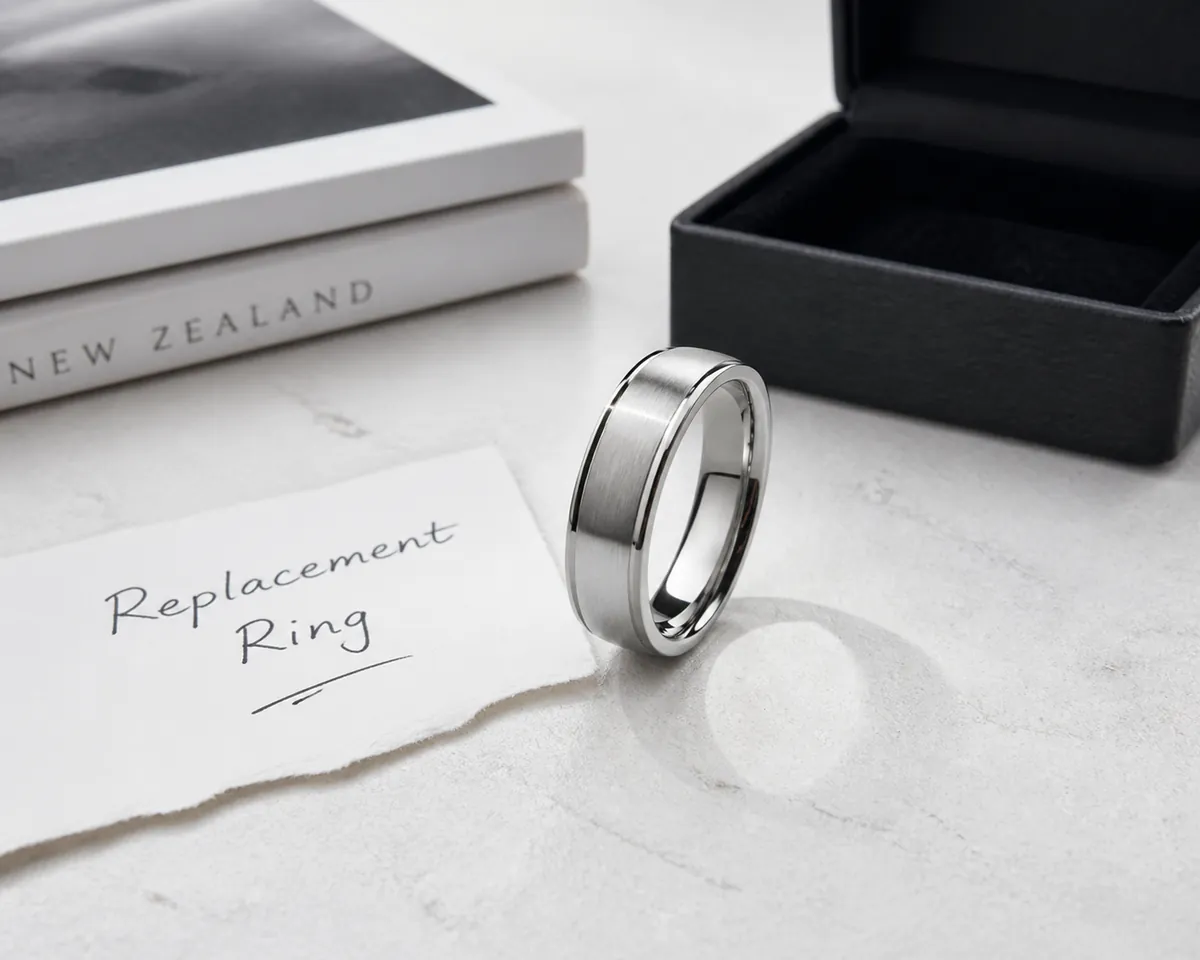
Before you order anything, it’s worth doing the boring bit properly. Check the drains in the bathroom and kitchen, check the gym bag, check the car seat rails, and check any coat you wore in the last fortnight. If you were at the beach or a lake, it’s genuinely worth a call to a local metal detecting group. Only once you’ve done that search and come up empty does it make sense to start shopping for a replacement, because nothing feels worse than buying a new band and finding the old one in the couch two days later.
How to Choose the Right Replacement
The first decision is whether you’re replacing like-for-like or upgrading to something more suited to your day-to-day. A lot of men who lost a plain gold band go looking at gold rings for men again simply because that’s what feels right, and there’s nothing wrong with that. But it’s also a natural point to reconsider, especially if the original ring got lost because it was too loose, too slippery when wet, or not built for the work you do.
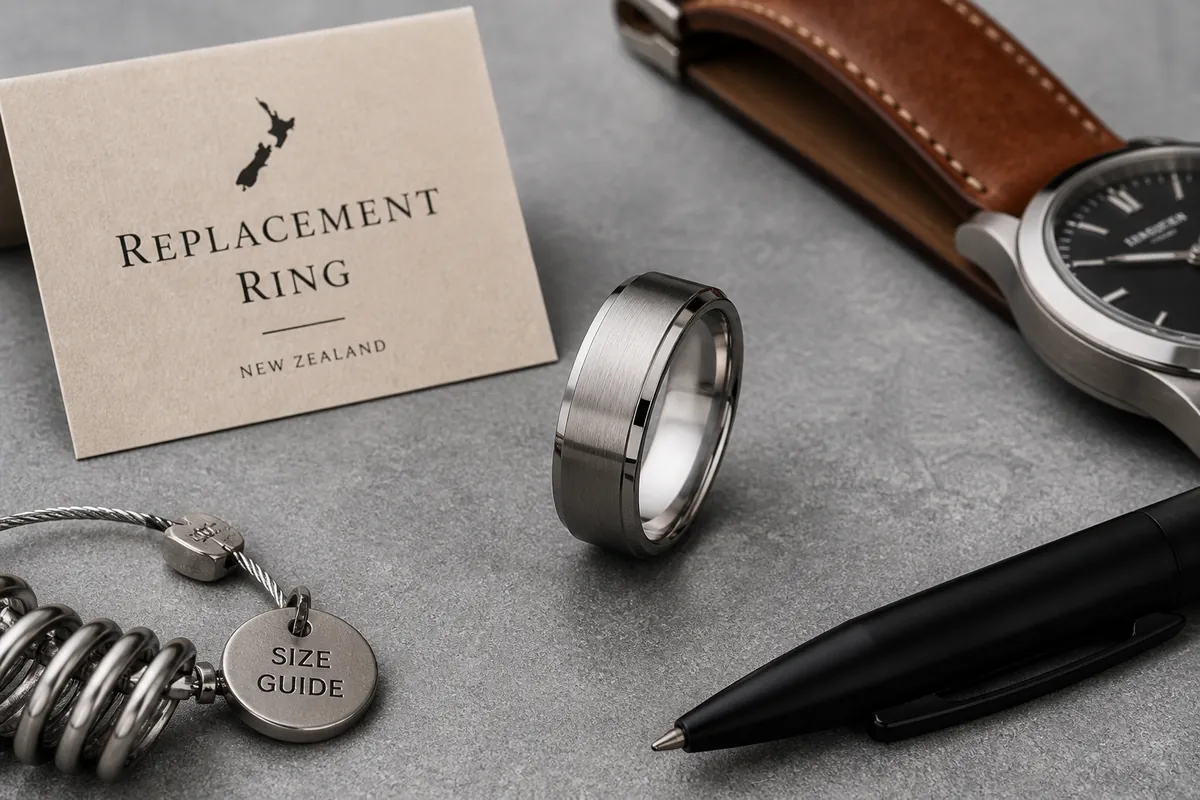
Fit is the single biggest factor in whether a replacement ring stays on your finger. If you’ve had one ring slip off already, get remeasured rather than guessing from memory or an old receipt. Finger size shifts with weight change, temperature, and time of day, and a ring that was perfect three years ago might now be half a size too loose. Most jewellers, including the team behind Men’s Rings Online, can talk you through sizing over the phone or via a printable sizing guide if you’re not near a store.
Material is the second call, and it’s where most men actually improve on the original ring. Tungsten and titanium resist scratching far better than gold, carbon fibre is genuinely light on the hand, and silicone bands are practically indestructible for anyone doing manual work or lifting weights. If your job or gym routine had anything to do with the original loss, this is the moment to fix that root cause rather than just buying an identical replacement and repeating the cycle.
Top Styles and Options
New Zealand men replacing a lost ring in 2026 are mostly landing in one of five camps, and each solves a different version of the same problem.
Silicone bands are the go-to for anyone whose ring came off during exercise, swimming, or manual labour. They flex, they won’t conduct electricity around live wiring, and if you do lose another one, you’re not out hundreds of dollars. The range at black silicone rings covers the classic understated look, while options like blue silicone rings, bronze silicone rings and brown silicone rings let you match a ring to a specific outfit or just have a spare in the car.
Tungsten and black finishes suit men who want the weight and permanence of a traditional band without the scratching. The black rings collection is consistently one of the most popular replacement choices because black tungsten hides daily wear better than polished gold and doesn’t look out of place with a suit or work boots.
Carbon fibre rings are worth a look if the lost ring felt heavy or awkward, since carbon fibre is roughly a third the weight of tungsten. Browsing carbon fiber rings is common among men who work with their hands all day and simply forgot they were wearing a ring, because a lighter band is easier to keep track of.
Ceramic is the quieter option that a lot of men don’t consider until someone points it out. It holds a high-gloss finish permanently and never needs replating, and the ceramic mens rings range is a good middle ground between the industrial look of tungsten and the warmth of gold.
Diamond-set and gold bands remain the pick for men who want the replacement to visually match the significance of the original day. If the wedding ring included a diamond or was a gold band from the start, diamond rings for men is where to start looking, and it pairs naturally with matching cufflinks from the cufflinks range if you’re also replacing accessories lost or damaged around the same time.
What to Consider Before You Buy
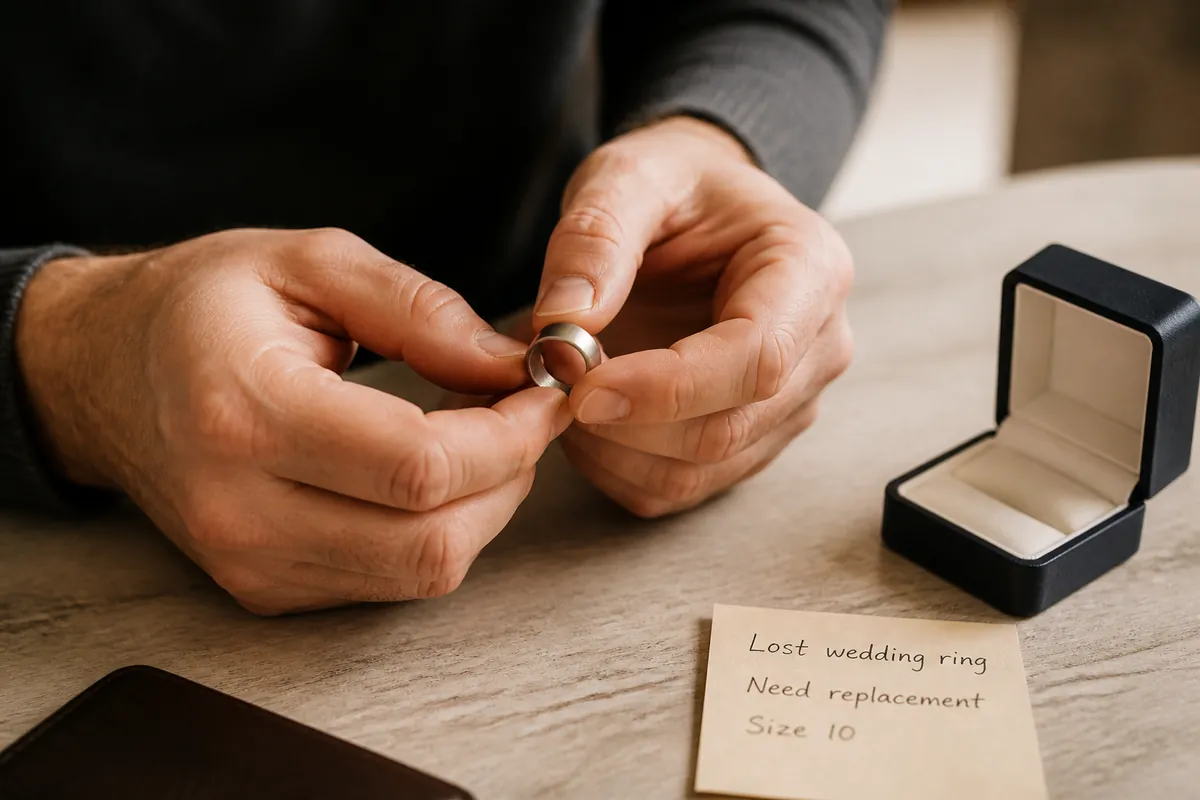
Talk to your insurer before you talk to a jeweller. Most New Zealand contents policies cover jewellery either as standard or as an optional add-on, but there’s usually a single-item limit, often somewhere around $2,000 to $3,000, and a lot of policies want the ring listed specifically if it’s worth more than that. If the original ring wasn’t scheduled on the policy, you may still get something back under general contents cover, but it pays to check before you assume either way. The Insurance Council of New Zealand and most major insurers publish clear guidance on jewellery claims, and it’s worth five minutes on the phone rather than guessing.
Budget is the next practical question, and it’s genuinely fine to spend less the second time around. A $79 silicone band does the same emotional job as a $600 gold one for a lot of men, and having two or three rings for different situations (gym, work, formal) is increasingly normal rather than a compromise.
If your original ring was engraved, decide early whether that detail matters enough to replicate. Custom engraving takes a bit longer to arrange, so factor that into timing if you want the new ring ready for an anniversary or another specific date. For anything non-standard, sizing outside the usual range, an unusual finish, or a design that doesn’t exist off the shelf, the custom made service handles it, and custom titanium rings specifically are a solid middle ground between off-the-shelf pricing and a fully bespoke commission.
Finally, think about how you’ll avoid a repeat. If the ring came off during a specific activity, gym, cold-water swimming, working with your hands, that’s the detail that should drive your material choice, not just the look you liked in the photo.
Tips From the Experts
Jewellers who deal with replacement rings regularly tend to say the same three things. First, get sized in person or with a proper printable guide rather than eyeballing an old ring, because temperature and time of day both shift finger size by up to half a size. Second, if you’re prone to losing rings, keep a $79 to $120 silicone spare on hand for situations where you’d otherwise take the good ring off and risk misplacing it, gym sessions, boat trips, working on the car. Third, photograph and keep the receipt or certificate for any new ring immediately, because it makes both insurance claims and future resizing far simpler if it ever happens again.
Bridal and wedding planning authorities echo the insurance point specifically. Wedding ring insurance guides from major bridal publications consistently recommend scheduling the ring the moment it’s purchased, rather than waiting, since a surprising number of losses happen in the first twelve months when the ring is least likely to be listed on a policy yet.
There’s also a quieter piece of advice worth passing on: don’t rush the replacement out of guilt. Take a proper look through the full Men’s Rings Online range, read a few buying guides on the blog, and treat this as a normal purchase rather than damage control. Most men who take their time end up with a ring they actually prefer to the one they lost.
Frequently Asked Questions
What is the best lost ring replacement in NZ?
There’s no single best option, it depends on why the original ring went missing. If it slipped off during exercise or manual work, a tungsten or silicone band solves the durability problem directly. If it was simply an accident, most men are happy replacing like-for-like with a gold or diamond-set band from a trusted NZ jeweller.
How do I know which replacement ring is right?
Start by thinking honestly about how and where you lost the last one, since that points straight at the material fix, silicone or tungsten for active lifestyles, ceramic or titanium for daily wear that needs to look sharp without upkeep. Get properly resized rather than guessing, and don’t be afraid to change the style entirely if the old one never quite suited you.
What should I check before buying a new ring?
Confirm your current finger size, check whether your contents insurance covers jewellery and up to what value, and decide whether engraving or a custom fit matters enough to wait for. It’s also worth checking the retailer’s exchange and resizing policy in case the fit isn’t quite right the first time.
Are there budget-friendly replacement options?
Yes, silicone bands typically run from around $79 and are genuinely durable rather than a cheap stopgap, making them a sensible pick while you decide on a longer-term replacement. Tungsten and carbon fibre rings also sit well below traditional gold pricing while still looking substantial day to day.

